 Skip to content
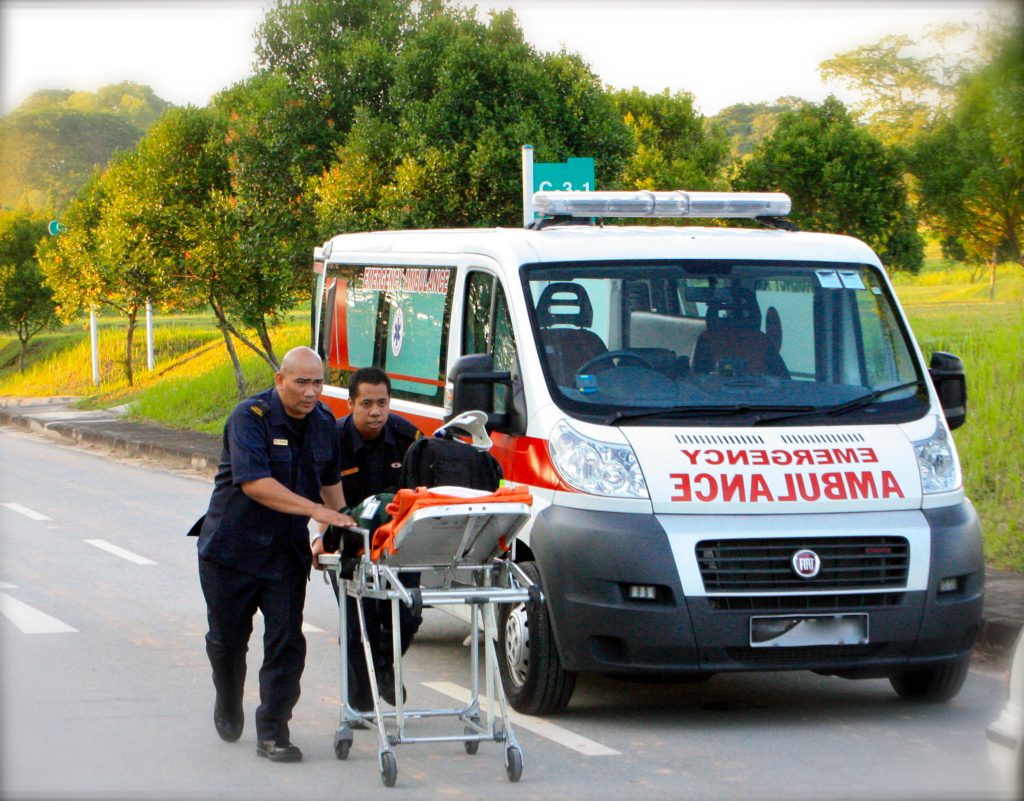
In a city where time, precision, and reliability define daily life, ambulance services are a critical pillar of Singapore’s healthcare ecosystem. From emergency medical response on expressways to planned hospital transfers for elderly patients, modern ambulance solutions go far beyond sirens and stretchers. They represent a coordinated system of clinical expertise, advanced technology, and rapid logistics that saves lives every day.
For individuals, families, corporations, and healthcare institutions, understanding how ambulance services work and how to choose the right provider can make a decisive difference in medical outcomes. This guide, aligned with the standards and service philosophy of Swift Ambulance, explores the full spectrum of ambulance care in Singapore, blending real-world insights with current healthcare trends and best practices.
What Are Ambulance Services?
Ambulance services refer to professional medical transportation and on-site emergency care delivered by trained paramedics and equipped vehicles. These services ensure:
- Rapid response to medical emergencies
- Safe transport between homes, hospitals, clinics, and care facilities
- Continuous medical monitoring during transit
- Immediate life-support interventions when required
In Singapore, ambulance services operate within a tightly regulated healthcare framework, integrating with hospitals, emergency departments, and civil defence systems to ensure seamless patient handover and clinical continuity.
Why Ambulance Services Are Vital in Singapore
Singapore’s dense urban environment, ageing population, and high standards of medical care create unique demands for fast, reliable, and clinically advanced transport.
Key reasons they are essential include:
- Time-Critical Emergencies
Conditions such as cardiac arrest, stroke, and severe trauma require response within minutes. Advanced life support ambulances provide early defibrillation, airway management, and medication administration before hospital arrival. - Ageing Demographics
With a growing senior population, non-emergency medical transfers for dialysis, rehabilitation, and specialist appointments are increasingly common. - Urban Mobility Challenges
Heavy traffic and vertical living require ambulances with skilled navigation, rapid dispatch systems, and coordination with traffic authorities. - High Clinical Expectations
Patients and families expect hospital-grade care from the moment the ambulance arrives, not only after admission.
Types of Ambulance Services in Modern Healthcare
1. Emergency Ambulance Services
These are activated through urgent calls for life-threatening situations, including:
- Cardiac arrest
- Stroke
- Severe respiratory distress
- Major accidents
- Unconsciousness
Features typically include:
- Advanced Life Support (ALS) equipment
- Defibrillators, ventilators, cardiac monitors
- Paramedics trained in critical care protocols
2. Non-Emergency Ambulance Services
Designed for stable patients requiring medical supervision during transport, such as:
- Hospital discharge transfers
- Dialysis and chemotherapy visits
- Elderly or mobility-impaired patient movement
- Inter-facility transfers
These services focus on comfort, safety, and continuity of care rather than emergency intervention.
3. Event Medical Coverage
For corporate events, sports competitions, and public gatherings, on-site ambulances and medical teams provide:
- Immediate first response
- On-site triage
- Rapid evacuation if hospitalisation is required
4. International Medical Repatriation
Some providers, including advanced private operators, coordinate air and ground ambulance services for cross-border patient transfers, ensuring clinical stability throughout long-distance journeys.
Core Components of High-Quality Ambulance Services
Clinical Expertise
A professional ambulance team typically includes:
- Certified paramedics
- Emergency medical technicians (EMTs)
- In some cases, nurses or doctors for critical transfers
Their training covers trauma care, cardiac life support, paediatric emergencies, and infection control.
Advanced Medical Equipment
Modern ambulances function as mobile intensive care units, equipped with:
- Cardiac monitors and defibrillators
- Oxygen delivery systems
- Portable ventilators
- Infusion pumps
- Emergency medications
Dispatch and Response Systems
Technology-driven dispatch ensures:
- GPS-enabled vehicle tracking
- Fast route optimisation
- Real-time communication with hospitals
Patient-Centred Care
Beyond technical capability, high-quality services prioritise:
- Clear communication with patients and families
- Gentle handling and dignity
- Psychological reassurance during stressful situations
Real-World Use Cases
Case 1: Acute Cardiac Emergency
A middle-aged office worker collapses from sudden cardiac arrest in the Central Business District. An ALS ambulance arrives within minutes, performs defibrillation, administers oxygen, and initiates advanced cardiac life support. Early intervention significantly increases survival chances before hospital admission.
Case 2: Elderly Dialysis Transfer
An elderly patient with limited mobility requires thrice-weekly dialysis. A scheduled non-emergency ambulance ensures safe transfer with monitoring of vital signs, reducing the risk of complications during travel.
Case 3: Event Medical Standby
During a marathon, on-site ambulance teams manage dehydration, heat exhaustion, and minor injuries, preventing emergency department overload and ensuring participant safety.
Benefits of Professional Ambulance Services
- Clinical Continuity
Care begins at the point of pickup, not at the hospital door. - Risk Reduction
Trained professionals can detect deterioration early and intervene promptly. - Operational Efficiency
Hospitals receive pre-arrival updates, enabling faster triage and treatment. - Emotional Reassurance
Families gain confidence knowing loved ones are in expert hands.
Current Trends in Ambulance Services
Digital Dispatch and Telemedicine
Integration of telemedicine allows paramedics to consult emergency physicians in real time, improving on-site decision-making.
Smart Monitoring Devices
Wearable and portable monitoring tools transmit patient data directly to receiving hospitals, enabling preparedness before arrival.
Eco-Friendly Ambulance Fleets
Sustainability initiatives are introducing hybrid and electric ambulances to reduce environmental impact without compromising performance.
Specialised Community Paramedicine
Paramedics increasingly provide in-home assessments and preventive care, reducing unnecessary hospital admissions.
How to Choose the Right Ambulance Services Provider in Singapore
When selecting a provider such as Swift Ambulance, consider:
- Accreditation and Licensing
Compliance with Singapore healthcare regulations. - Clinical Capability
Availability of ALS, ICU-grade equipment, and trained personnel. - Response Time
Proven ability to reach patients quickly across the island. - Service Range
Emergency, non-emergency, event, and long-distance transport options. - Reputation and Reviews
Real-world testimonials reflect reliability and professionalism.
Frequently Asked Questions (FAQ)
What is the difference between emergency and non-emergency ambulance services?
Emergency services respond to life-threatening conditions with advanced life support, while non-emergency services focus on planned, medically supervised transport for stable patients.
Are private ambulance services reliable in Singapore?
Yes. Reputable private providers operate under strict regulatory standards and often offer faster response times, advanced equipment, and personalised care.
How fast can an ambulance reach in Singapore?
Response times vary by location and traffic, but urban deployment and GPS routing typically enable arrival within minutes for high-priority cases.
Do ambulances provide treatment or only transport?
Modern ambulances deliver on-site and in-transit medical care, including cardiac support, airway management, and medication administration.
Can ambulance services be booked in advance?
Yes. Non-emergency transfers, medical appointments, and event coverage can be scheduled in advance for seamless planning.
Future Outlook for Ambulance Services
The future of ambulance care in Singapore is shaped by:
- AI-driven dispatch optimisation
- Greater integration with national electronic health records
- Expansion of mobile intensive care capabilities
- Enhanced community-based emergency response programs
These innovations will further reduce response times, improve survival rates, and elevate patient experience.
Conclusion: The Strategic Value of Ambulance Services
In Singapore’s high-performance healthcare landscape, ambulance services are more than transport they are a critical extension of hospital care, delivering rapid intervention, clinical expertise, and peace of mind when it matters most.
From emergency life support to planned medical transfers and event standby, professional providers like Swift Ambulance exemplify how speed, skill, and compassion converge to protect lives. By understanding service types, technological advancements, and quality benchmarks, individuals and organisations can make informed decisions that prioritise safety, efficiency, and clinical excellence.
For those seeking dependable, modern, and patient-focused medical transport, exploring trusted ambulance solutions is a vital next step in ensuring health security for every journey.


