In a highly urbanised and fast-moving country like Singapore, medical emergencies can happen anywhere on the road, at home, in offices, shopping malls, or industrial sites. When a health crisis strikes, access to a reliable emergency ambulance Singapore service becomes the difference between life and death. Speed, clinical expertise, and advanced medical equipment are no longer optional; they are essential.
Singapore’s healthcare system is globally respected for its efficiency, technology, and clinical standards. Within this ecosystem, private emergency ambulance providers such as Swift Ambulance play a vital role in delivering rapid, professional, and medically equipped transport for patients requiring immediate intervention. This article offers a comprehensive, experience-driven guide to understanding how emergency ambulance services operate in Singapore, why they matter, and how to choose the right provider when time is critical.
What Is an Emergency Ambulance Singapore Service?
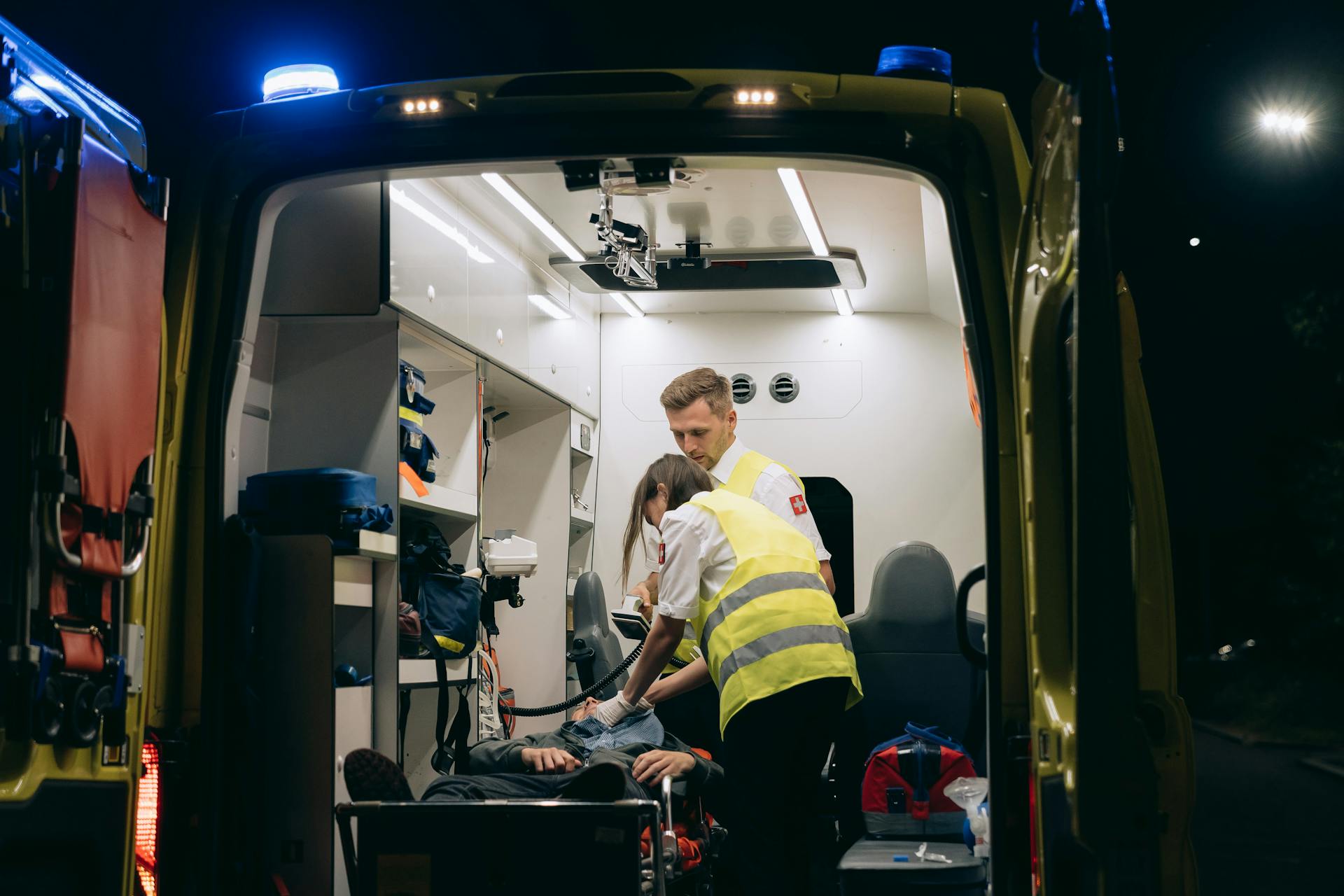
An emergency ambulance Singapore service refers to a fully equipped medical transport unit designed to provide immediate life-saving care and rapid transfer to hospitals during critical situations. Unlike basic transport vehicles, emergency ambulances function as mobile intensive care units, staffed by trained paramedics and nurses capable of performing advanced life support (ALS).
These ambulances are activated for situations such as:
- Cardiac arrest and chest pain
- Stroke symptoms
- Severe trauma and road accidents
- Respiratory distress
- Unconsciousness or collapse
- Major bleeding
- Seizures
- Critical paediatric emergencies
In Singapore’s dense traffic and vertical urban environment, response speed and route optimisation are managed through GPS tracking, real-time dispatch systems, and coordination with hospital emergency departments.
Why Emergency Ambulance Services Are Critical in Singapore
Singapore’s compact geography may suggest short travel distances, but traffic congestion, peak-hour delays, and high-rise living introduce unique medical response challenges. A professionally operated emergency ambulance Singapore service ensures:
- Golden Hour Preservation
The first 60 minutes after trauma or cardiac events significantly impact survival and recovery outcomes. - Advanced Pre-Hospital Care
Onboard defibrillators, ventilators, cardiac monitors, oxygen therapy, and medication administration begin treatment before hospital arrival. - Direct Hospital Coordination
Paramedics transmit patient vitals in real time, allowing emergency departments to prepare trauma or cardiac teams in advance. - Specialised Transfer Capabilities
High-risk inter-hospital transfers for ICU, neonatal, and ventilated patients require clinical-grade transport.
Types of Emergency Ambulance Services in Singapore
1. Advanced Life Support (ALS) Ambulances
These units handle critical patients requiring airway management, cardiac life support, and drug administration. They are staffed by trained paramedics and often registered nurses.
2. Cardiac Ambulances
Equipped with ECG, defibrillators, and cardiac medications, these vehicles prioritise heart attack and arrhythmia emergencies.
3. Trauma Ambulances
Designed for road accidents, industrial injuries, and major falls, with spinal immobilisation systems and bleeding control equipment.
4. Paediatric and Neonatal Ambulances
Specialised incubators, paediatric ventilators, and neonatal monitoring systems ensure safe infant and child transport.
5. ICU Transfer Ambulances
Functioning as mobile ICUs for ventilated and unstable patients requiring continuous monitoring between facilities.
How Swift Ambulance Aligns With Singapore’s Emergency Standards
Swift Ambulance operates in alignment with Singapore Civil Defence Force (SCDF) clinical protocols and Ministry of Health (MOH) transport regulations. Their emergency fleet integrates:
- Advanced cardiac life support systems
- Real-time GPS and dispatch technology
- Experienced paramedics and critical care nurses
- 24/7 emergency readiness
- Hospital-to-hospital transfer coordination
- Event standby and disaster response units
This infrastructure ensures that emergency ambulance Singapore services are not merely transport solutions but clinical extensions of hospital emergency departments.
Real-World Scenarios Where Emergency Ambulance Response Saves Lives
Cardiac Arrest in a Commercial Office
Immediate defibrillation within the first 4 minutes improves survival by up to 70%. A Swift Ambulance ALS team arriving with an AED and cardiac drugs can stabilise rhythm before hospital admission.
Road Traffic Collision on Expressways
Rapid trauma immobilisation, oxygenation, and haemorrhage control prevent secondary injury and shock during transfer to trauma centres.
Elderly Stroke at Home
Fast recognition of FAST symptoms and priority transport to a stroke-ready hospital enables clot-busting therapy within therapeutic windows.
Technology and Innovation in Singapore’s Emergency Ambulance Sector
Modern emergency ambulance Singapore services utilise:
- AI-powered dispatch optimisation
- Digital patient care reporting
- Telemedicine integration
- Automated traffic light pre-emption (in development)
- Smart cardiac monitoring
- Cloud-based hospital handover systems
These advancements shorten response times and enhance clinical accuracy during pre-hospital care.
When Should You Call an Emergency Ambulance in Singapore?
Call immediately when there is:
- Sudden chest pain
- Difficulty breathing
- Unconsciousness
- Severe bleeding
- Paralysis or facial drooping
- Major trauma
- Seizures lasting over 5 minutes
- High-risk pregnancy complications
Delaying ambulance activation often leads to irreversible organ damage or fatal outcomes.
Cost Transparency and Insurance Coverage
Private emergency ambulance Singapore services provide transparent pricing structures based on:
- Level of care (BLS vs ALS)
- Distance
- Medical staffing
- Equipment required
- Urgency level
Most corporate insurance plans and international health policies cover emergency ambulance transport, especially for medically necessary interventions.
Future of Emergency Medical Transport in Singapore
Emerging trends include:
- Electric ambulance fleets
- AI-driven triage systems
- Drone-assisted AED delivery
- Integrated smart hospital routing
- Wearable-triggered emergency alerts
These developments will further enhance survival rates and reduce response intervals across Singapore.
Frequently Asked Questions (FAQ)
Is a private emergency ambulance faster than public services?
Private services can be dispatched instantly without queue delays, especially during peak hours or large-scale incidents.
Are paramedics licensed in Singapore?
Yes. Emergency crews operate under strict regulatory and clinical governance standards.
Can an emergency ambulance provide on-site treatment?
Yes. Stabilisation, defibrillation, airway management, and medication are administered before transport.
Do emergency ambulances handle international patient transfers?
Yes, including airport-to-hospital critical transfers with immigration medical coordination.
Conclusion: Choosing the Right Emergency Ambulance in Singapore
When medical emergencies occur, hesitation costs lives. A professional emergency ambulance Singapore service delivers more than transport it delivers clinical expertise, advanced technology, and coordinated hospital readiness. Swift Ambulance stands as a trusted partner in critical care logistics, offering rapid response, advanced life support, and seamless emergency transfers across Singapore.
From cardiac arrest to trauma, stroke to neonatal emergencies, having access to a medically equipped, expertly staffed ambulance ensures that patients receive hospital-grade care from the moment help arrives. In an environment where seconds matter, choosing a proven emergency ambulance provider is an investment in survival, safety, and peace of mind.