 Skip to content
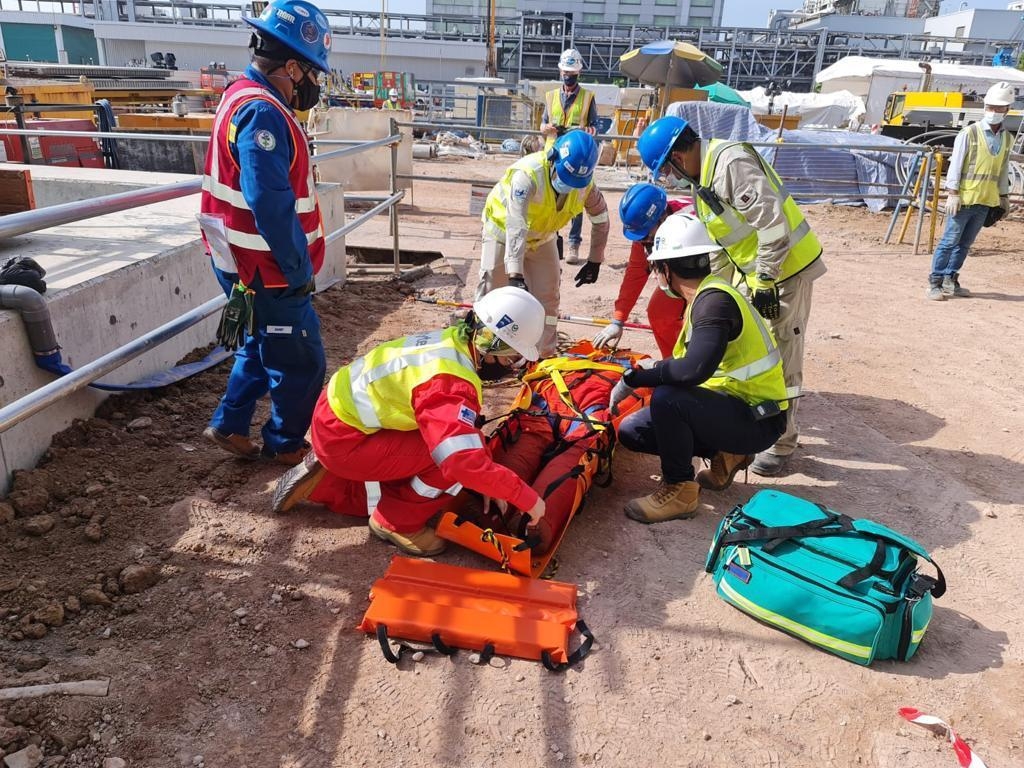
In a fast-paced city-state like Singapore, time is our most valuable currency especially during a medical crisis. Whether it’s a sudden cardiac event, a serious fall, or a respiratory emergency. The difference between a full recovery and a long-term complication often comes down to minutes. This is why understanding the role of a professional emergency ambulance Singapore service is crucial for every resident, worker, and visitor on the island.
While most people are familiar with the 995 hotline for the Singapore Civil Defence Force (SCDF). The landscape of medical transport is broader than many realize. Private ambulance services, like Swift Ambulance, play a vital role in supporting the public healthcare system by providing not only emergency response but also critical non-emergency transport and medical standby services. This guide aims to walk you through everything you need to know about emergency medical services in Singapore. Ensuring you are prepared to make the right call when it matters most.
Understanding Emergency Ambulance Services in Singapore
When a life-threatening situation occurs, the immediate instinct is to seek help. In Singapore, the emergency medical services (EMS) landscape is a hybrid model. Combining the government’s rapid response capabilities with the specialized, flexible support of private providers.
The Role of SCDF vs. Private Emergency Services
The SCDF runs the national emergency ambulance service, dispatching ambulances in response to calls made to 995. These crews are highly trained paramedics equipped to handle immediate, life-saving interventions like defibrillation, airway management, and administering emergency medications. Their goal is to stabilize patients on-site and transport them to the nearest public hospital emergency department as quickly as possible.
However, the need for an emergency ambulance Singapore residents face isn’t always a 995 situation. There are numerous scenarios where a private emergency ambulance is not only appropriate but necessary. For instance, if a patient in a nursing home requires an emergency transfer to a specific hospital for a pre-arranged specialist procedure. If someone falls ill at a large public event, private ambulances fill the gap. They ensure that public resources remain available for the most critical. Community-wide emergencies while still providing rapid, professional care for those in need.
What Qualifies as a Medical Emergency?
Understanding what constitutes a medical emergency can help you decide the best course of action. Generally, you should seek immediate emergency transport if you or someone around you experiences:
- Chest pain or pressure, especially if accompanied by shortness of breath, nausea, or sweating (signs of a heart attack).
- Sudden numbness or weakness in the face, arm, or leg, particularly on one side of the body (signs of a stroke).
- Difficulty breathing or choking.
- Uncontrollable bleeding.
- Severe burns or electrical injuries.
- Seizures or loss of consciousness.
- Serious falls from height or high-impact trauma.
In these situations, activating an emergency response is critical. A professional ambulance crew can begin treatment the moment they arrive, providing a mobile extension of the hospital emergency room.
When You Might Need an Emergency Ambulance
The scenarios requiring an ambulance extend beyond the common heart attack or stroke. In a dense urban environment like Singapore, the need for rapid medical intervention can arise in various settings, from the workplace to recreational spaces.
Common Medical Crises: Cardiac Arrest, Stroke, and Trauma
The most time-sensitive emergencies are those involving the brain or heart. During a cardiac arrest, survival rates drop by 7-10% for every minute that passes without defibrillation. An ambulance crew arrives with an Automated External Defibrillator (AED) and the expertise to use it. Similarly, for a stroke, the “golden hour” the first 60 minutes after symptoms start. Is crucial for administering clot-busting drugs to minimize brain damage. Trauma from traffic accidents, which are unfortunately common on Singapore’s expressways. Also requires the immediate spinal immobilization and rapid transport that only an ambulance can provide.
Paediatric Emergencies: When Children Need Urgent Care
Children are not simply small adults, and medical emergencies involving them are particularly distressing. High fevers that trigger febrile seizures, severe asthma attacks. Choking on foreign objects, or accidental poisonings require a calm, professional response. Ambulance crews are specially trained in paediatric assessment and emergency care. Providing both medical support and reassurance to panicked parents during the transport to a children’s hospital like KK Women’s and Children’s Hospital (KKH).
Elderly Care and Mobility-Related Accidents
With Singapore’s aging population, falls among the elderly are a primary reason for ambulance calls. A simple slip in a HDB flat or a nursing home can result in hip fractures or head injuries. Moving an elderly person who has fallen requires specific techniques to avoid causing further injury. An emergency ambulance Singapore provider brings the equipment, like scoop stretchers and stair chairs and the training to safely extract and transport the patient, ensuring their spine and limbs are protected throughout the journey.
Inside a Singapore Ambulance: Equipment and Expertise
Calling an ambulance is not just about getting a ride to the hospital; it’s about bringing the hospital to the patient. Modern ambulances in Singapore are essentially mobile intensive care units.
Life-Saving Technology on Board
When the doors of a Swift Ambulance open, the vehicle is equipped with a range of critical tools. This includes cardiac monitors/defibrillators to shock a heart back into rhythm, pulse oximeters to measure blood oxygen, and portable suction units to clear a patient’s airway. Advanced ambulances also carry stretchers with hydraulic lifts to reduce the physical strain on paramedics and ensure a smooth, safe ride for the patient. On-board oxygen supplies and a comprehensive range of emergency medications allow the crew to manage pain, stabilize blood pressure, or reverse the effects of an allergic reaction en route to the hospital.
The Skill Set of Emergency Paramedics
The true value of an ambulance lies in its crew. In Singapore, paramedics undergo rigorous training to handle high-pressure situations. They are trained to make rapid assessments, deciding whether a patient needs CPR, spinal precautions, or rapid transport. They are skilled communicators, tasked with calming a frantic family member while simultaneously gathering a patient’s medical history and preparing a report for the receiving hospital. This handover is critical; by the time the ambulance arrives at the emergency department, the hospital team already knows what to expect, allowing for zero delays in treatment.
Urban Response: The Challenge of Speed in Singapore
Singapore’s unique urban landscape presents both advantages and challenges for emergency response. While the city is compact, the high population density and complex infrastructure require strategic planning.
Navigating Traffic and Dense Infrastructure
Getting an ambulance from point A to point B in Singapore isn’t always straightforward. Rush hour on the PIE, construction zones, and the layout of large condominiums or HDB estates can impede response times. Professional ambulance drivers are training in defensive and expedient driving. They know how to navigate traffic safely, when to use sirens appropriately, and how to position the vehicle upon arrival to ensure the quickest possible access to the patient. This logistical expertise ensures that even in a congested city, the gap between a call for help and the arrival of medical assistance is as short as possible.
The Importance of “The Golden Hour”
The concept of the “Golden Hour” is central to emergency medicine. It posits that a patient’s chance of survival is greatest if they receive definitive care like surgery within one hour of a traumatic injury. In Singapore, this principle drives the urgency of every ambulance call-out. Whether it’s a worker injure at a construction site in Jurong or a tourist suffering a seizure in a Orchard Road hotel, the clock starts ticking immediately. The goal of any top-tier emergency ambulance Singapore provider is to ensure that the patient is assessed, stabilized, and transported to the appropriate trauma center well within this critical window.
Beyond Emergencies: Other Critical Ambulance Services
While the term “ambulance” is often associated with lights and sirens, a significant portion of medical transport involves planned, non-emergency movements. These services are just as vital to the healthcare ecosystem.
Non-Emergency Patient Transport and Hospital Transfers
Hospitals are often full, and patients frequently need to be moved between facilities for specialized care, such as from a community hospital to a tertiary center like Singapore General Hospital (SGH) for an MRI or surgery. Non-emergency transport provides a safe, comfortable, and medically supervised way to do this. For bed-bound patients or those requiring oxygen during the journey, a standard taxi or private car is not an option. These medical transports ensure continuity of care, allowing patients to attend dialysis appointments, therapy sessions, or specialist reviews without compromising their safety.
Medical Standby for Events
From the Singapore Marathon to large-scale concerts at the Singapore Expo, major events carry inherent medical risks. Heat exhaustion, dehydration, falls, or even a sudden cardiac event can occur amidst thousands of people. Organizers have a duty of care to their attendees. Having a medical standby team, complete with an ambulance, ensures that on-site first aid is available. This allows for immediate treatment without disrupting the event or overwhelming the public hospital system. It’s a proactive approach to public safety, ensuring that help is on-site before an emergency even happens.
Inter-Country Medical Escorts
As a regional hub, Singapore often sees patients who need to be transported back to their home country, such as Malaysia or Indonesia, after receiving treatment. This requires a specialized service: a medical escort. This involves a doctor or paramedic accompanying the patient on a commercial flight or air ambulance, monitoring their condition throughout the journey. It’s a complex logistical operation that requires coordination with airlines, airport authorities, and receiving hospitals, ensuring a seamless transfer of care across borders.
Why Swift Ambulance is Your Trusted Partner
In a moment of crisis, you don’t just need an ambulance; you need a service you can trust implicitly. Swift Ambulance is built on the foundation of rapid response, clinical excellence, and deep empathy for patients and their families.
We understand the Singaporean landscape intimately. Our fleet is maintaining to the highest standards, and our crews consist of experience paramedics and emergency medical technicians who are not only skilled in life support but also in handling the unique challenges of our urban environment. Whether you are facing a sudden emergency at home, need a reliable transport for a loved one to a medical appointment, or require medical coverage for a corporate event, we provide a seamless, professional service. Our goal is to ensure that every patient receives the right care, at the right time, and in the right place, providing peace of mind when it need most.
Frequently Asked Questions (FAQ)
1. When should I call 995 versus a private emergency ambulance?
Call 995 (SCDF) for life-threatening emergencies like cardiac arrest, choking, severe bleeding, or loss of consciousness where you need immediate government dispatch. Call a private emergency ambulance Singapore provider like Swift Ambulance for urgent medical situations that are not immediately life-threatening but still require professional medical supervision, for hospital-to-hospital transfers, or if you require transport to a specific private hospital.
2. Are private ambulance services in Singapore allowed to use lights and sirens?
Yes, licensed private ambulances in Singapore are permitting to use emergency lights and sirens when responding to an emergency call, providing they adhere to traffic regulations and prioritize safety. This allows them to navigate traffic effectively when time is critical.
3. Can I book an ambulance for a non-emergency hospital appointment?
Absolutely. This is one of the primary functions of private ambulance services. If you or a family member is wheelchair-bound, bedridden, or requires oxygen during travel, you can book a non-emergency medical transport in advance to ensure safe and comfortable transit to and from medical appointments.
4. What should I do while waiting for the ambulance to arrive?
First, stay calm. If instructed by the dispatcher, follow their guidance (e.g., for CPR). Gather any medications the patient is taking, unlock your door, and if safe to do so, move furniture to create a clear path for the stretcher. If the patient has fallen, do not move them unless they are in immediate danger (e.g., fire or flood).
5. What information do I need to provide when calling for an ambulance?
Be ready to provide your exact location (block number, unit number), a callback number, a brief description of what happened, the patient’s approximate age, gender, and their main symptom or condition (e.g., “He is unconscious,” “She has chest pain,” “He is having trouble breathing”).
6. Is the cost of a private ambulance covered by MediSave or insurance?
Coverage varies. While SCDF ambulance services are subsidized, private ambulance transport may be covered by some private hospitalization insurance plans, especially if it is part of a medically necessary transfer between hospitals. It is best to check with your insurance provider regarding your specific policy coverage.
Conclusion
In the delicate balance between life and health, the reliability of an emergency ambulance Singapore service can make all the difference. From navigating the busy streets of the CBD to reaching residents in the heartlands, the need for prompt, professional, and compassionate medical transport is undeniable. Whether facing a sudden cardiac crisis, arranging a safe transfer for an aging parent, or ensuring safety at a public event, understanding your options empowers you to act decisively.
Swift Ambulance stands ready to meet that need, combining clinical expertise with a deep commitment to the community. We are more than just a vehicle; we are your partner in health, safety, and peace of mind across Singapore.


