 Skip to content
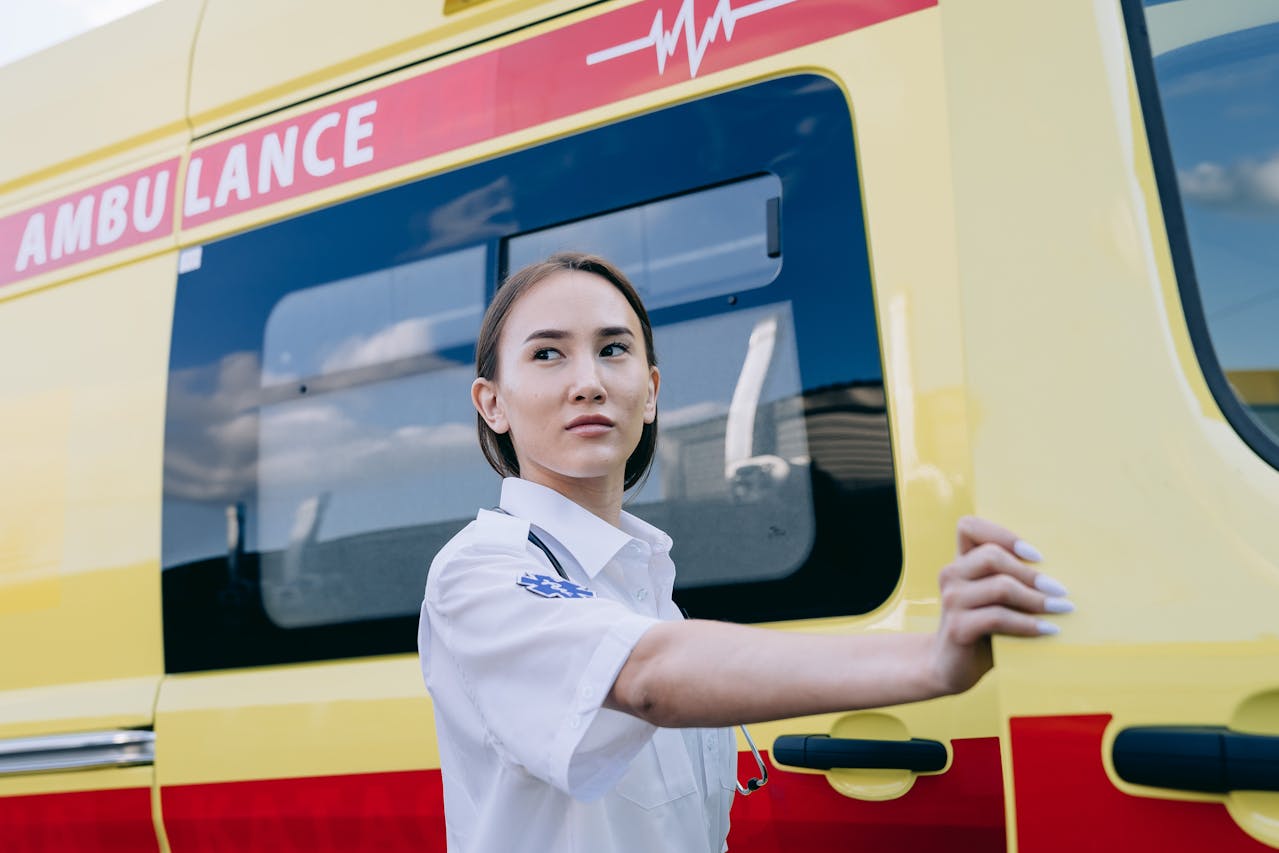
Every second counts in a medical emergency, which is why understanding ambulance response time Singapore can help you prepare better and save lives. In Singapore, the Singapore Civil Defence Force (SCDF) aims to dispatch ambulances quickly for genuine emergencies called in via 995, with most reaching patients within target times set for critical cases.
Ambulance services in Singapore operate on a medical triage and prioritisation model that ensures the most life‑threatening situations receive the fastest responses. The SCDF’s 995 system distinguishes between severe emergencies and less urgent cases, helping optimise resources islandwide.
What Does Ambulance Response Time Mean?
Ambulance response time refers to the interval from when a call for help is received to when a medical team arrives on scene. In Singapore, historical data and operational goals indicate that ambulances generally arrive around 8–11 minutes for emergency cases.
These figures are influenced by traffic conditions, call volume, time of day, and hospital proximity factors that emergency planners continuously study to improve performance.
SCDF Emergency Ambulance Targets
Under the SCDF emergency ambulance response time framework, the focus is on responding to life‑threatening emergencies swiftly and efficiently. The SCDF has targeted reaching at least 80% of emergency calls within 11 minutes of dispatch.
This performance target means that most serious incidents such as cardiac arrests, stroke symptoms, or severe trauma — receive rapid attention from trained paramedic teams. These frontline responders start advanced care immediately, which improves outcomes even before hospital arrival.
Average Ambulance Response Time in Singapore
Across Singapore’s densely populated urban landscape, the average ambulance response time for emergency calls typically falls around the 8–11 minute range under normal conditions.
This strong performance reflects a highly organised emergency medical services infrastructure staffed by professional paramedics and supported by national EMS systems operating 24/7.
Why EMS Response Time Matters
The speed at which ambulances arrive can directly affect survival and recovery in critical conditions. For example, in cases of cardiac arrest or major trauma, every minute without advanced medical support increases the risk of serious complications or death.
Efforts to reduce emergency medical services response time Singapore include real‑time traffic management, predictive ambulance deployment strategies, and enhanced communication systems.
Non‑Emergency and Lower‑Priority Response Time
Not all medical situations require urgent ambulance dispatch. Singapore’s EMS triage policy means that less urgent calls such as minor injuries or non‑threatening symptoms may experience ambulance wait time non emergency Singapore longer than emergency cases, sometimes extending to about 20 minutes.
This approach helps prioritise resource deployment where it matters most and ensures life‑threatening emergencies receive prompt assistance.
Factors That Influence Ambulance Arrival
Several real‑world factors affect how quickly ambulances reach patients:
- Traffic conditions across busy urban roads
- Time of day with peak rush‑hour congestion
- Location distance from nearby EMS stations
- Call volume and prioritisation policies
Emergency planners and health authorities use data analysis and innovative tools to adjust deployment dynamically, improving overall responsiveness.
Ambulance Response Performance Singapore: Continuous Improvements
As Singapore’s population grows and EMS demand rises, authorities continue to enhance performance. New initiatives like advanced traffic priority systems and data‑informed ambulance positioning aim to cut down travel times, especially in densely trafficked areas.
These efforts contribute to a robust emergency medical ecosystem with a shared goal of saving lives promptly and efficiently.
What You Should Do in a Medical Emergency
Knowing when and how to call makes a difference. If someone is experiencing symptoms like chest pain, inability to breathe, sudden unconsciousness, or stroke signs, call 995 immediately for emergency ambulance dispatch.
For non‑emergency medical transport such as hospital transfers or consultations — dedicated services like private ambulances or scheduled transport options may be more appropriate.
Swift Ambulance Services: Supporting Rapid Care
Organisations like Swift Ambulance Services provide professional emergency support, ensuring trained paramedics and equipped vehicles are ready to respond quickly when every moment matters. We focus on rapid operations, adherence to safety protocols, and coordination with medical facilities to deliver responsive care across Singapore.
Whether it’s urgent medical conveyance or on‑site medical coverage for events and workplaces, prioritising fast ambulance arrival time Singapore emergency support can make a life‑critical difference.
Final Thoughts
Being informed about ambulance response time Singapore, average arrival patterns, and what influences EMS timing empowers individuals and organisations to prepare effectively for emergencies. Rapid response isn’t just about clocks and targets — it’s about people, systems, and readiness working together to protect life.


