 Skip to content
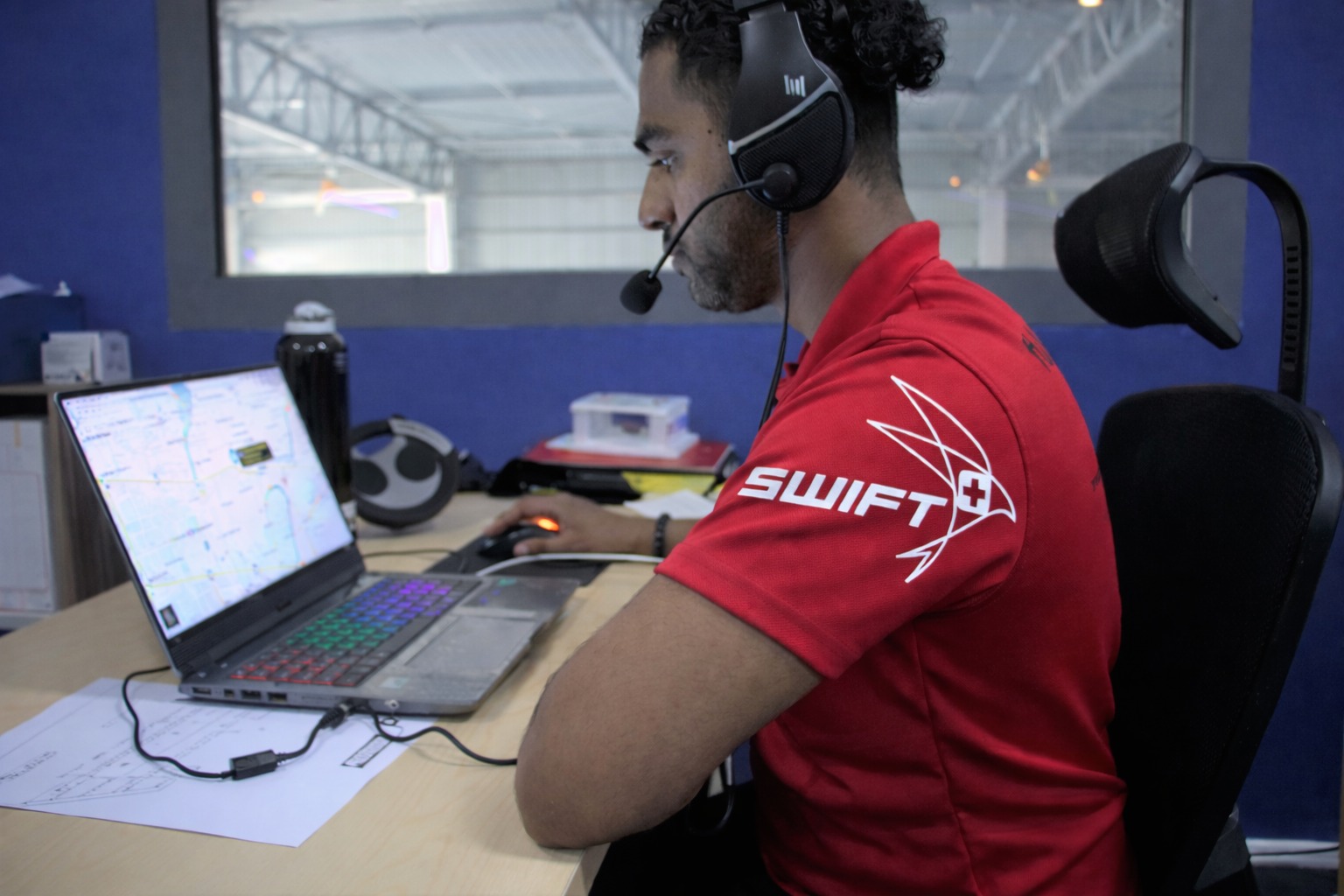
Medical emergencies do not always happen near a hospital. Sometimes they occur hundreds of kilometres away from advanced care. In those situations, air ambulance services become a lifeline. These specialised medical flights transport critically ill or injured patients quickly between locations often from remote accident sites, rural communities, offshore platforms, or smaller hospitals to advanced trauma centres. Across Australia and the Asia-Pacific region, including Singapore, air ambulance services play a crucial role in modern emergency medicine. From rescuing injured hikers in the Australian Outback to transferring patients between hospitals in densely populated cities, these aircraft-based medical teams combine aviation expertise with intensive care capability. The result is rapid response when every minute matters. This guide explores how air ambulance services operate, when they are used, why they are essential in countries like Australia, and what people in Singapore should know about medical evacuation and emergency air transport.
What Are Air Ambulance Services?
At their core, air ambulance services are medically equipped aircraft designed to transport patients who require urgent medical care during transit.
Unlike standard medical flights, these aircraft function like flying intensive care units. They carry specialised medical equipment and are staffed by trained healthcare professionals capable of managing critical conditions mid-air.
A typical air ambulance service includes:
- A medically configured aircraft (helicopter or fixed-wing plane)
- Critical care equipment similar to hospital ICUs
- Highly trained medical staff, often including flight nurses, paramedics, and doctors
- Aviation professionals experienced in emergency operations
These services are used when ground transport would be too slow, too dangerous, or simply impossible.
In medical emergencies such as severe trauma, stroke, cardiac arrest, or complicated childbirth situations, time can determine survival. Air ambulance services drastically reduce travel time between patients and life-saving care.
Why Air Ambulance Services Are Critical in Australia
Australia is one of the clearest examples of why air ambulance services are essential in modern healthcare systems.
The country is geographically vast, with many communities located far from major hospitals. Large rural regions—especially in Western Australia, Northern Territory, and Queensland—may be hundreds of kilometres from advanced trauma centres.
Imagine a serious car accident on a remote highway in the Outback. A ground ambulance might take hours to reach the nearest hospital. In contrast, a helicopter air ambulance service can reach the scene quickly and transport the patient to a trauma centre within a fraction of the time.
This is why Australia has built one of the world’s most respected air medical networks.
Real-World Example: Remote Medical Evacuations
Consider mining operations scattered across remote areas of Western Australia. Workers often operate in isolated environments far from urban hospitals. If someone suffers severe injuries from machinery or a fall, air ambulance services are usually the fastest way to transport them to Perth or another major medical centre.
Similarly, outdoor recreation is a huge part of Australian culture. Surfing, hiking, camping, and off-road driving are common weekend activities. When accidents occur in national parks, coastal cliffs, or offshore locations, air ambulance services often provide the only viable rescue option.
Types of Air Ambulance Services
Not all air ambulance services operate the same way. Different aircraft are used depending on distance, terrain, and medical needs.
Helicopter Air Ambulances
Helicopter-based air ambulance services are typically used for emergency response and short-distance transport.
They are especially useful when quick access to accident scenes is required.
Helicopters are commonly used for:
- Road accident responses
- Rescue operations in mountains or coastal regions
- Transport from accident sites to trauma hospitals
- Emergency transfers between nearby medical facilities
In Australia, helicopters frequently respond to surfing accidents, bushwalking injuries, and rural vehicle crashes.
Because helicopters can land in confined spaces—highways, beaches, sports fields—they are invaluable during emergency rescue missions.
Fixed-Wing Air Ambulances
Fixed-wing aircraft are used for longer-distance medical transport.
These air ambulance services often operate like flying intensive care units, carrying patients between cities or countries.
Fixed-wing air ambulances are typically used for:
- Long-distance hospital transfers
- International medical evacuation
- Transport from remote communities to urban hospitals
- Repatriation flights
For example, a patient injured while travelling in rural Australia might be transported by fixed-wing air ambulance service to a major hospital in Sydney or Melbourne.
These aircraft are equipped with advanced medical systems such as ventilators, cardiac monitors, infusion pumps, and specialised stretcher units.
Medical Equipment Used in Air Ambulance Services
One reason air ambulance services are so effective is their ability to replicate hospital-level care during flight.
The onboard medical setup is designed to support critically ill patients.
Typical equipment includes:
- Portable ventilators for patients with breathing problems
- Cardiac monitors and defibrillators
- Infusion pumps for medication delivery
- Oxygen systems
- Emergency surgical kits
- Advanced trauma equipment
In many cases, the onboard team can stabilise patients before they reach hospital.
This capability is particularly important for trauma victims, stroke patients, or individuals suffering heart attacks.
Medical Teams on Air Ambulance Services
A key component of air ambulance services is the specialised medical crew.
These professionals are trained to handle medical emergencies in unique environments where space is limited and conditions may be unstable.
The typical crew may include:
- Flight nurses trained in critical care
- Paramedics with aviation medical training
- Emergency physicians or trauma specialists
- Pilots experienced in medical aviation
Operating inside an aircraft requires unique skills. Medical staff must be comfortable performing complex procedures while dealing with vibration, altitude changes, and limited space.
When Air Ambulance Services Are Used
There are many situations where air ambulance services become necessary.
These situations typically involve either distance, urgency, or access challenges.
Common scenarios include:
Emergency Accident Response
Major accidents on highways, construction sites, or recreational areas often require immediate medical evacuation. Helicopter air ambulance services can reach these locations quickly.
Remote Area Medical Transport
In remote parts of Australia, many small communities rely heavily on air ambulance services to transport patients to larger hospitals.
Inter-Hospital Transfers
Sometimes a patient needs treatment that a local hospital cannot provide. In those cases, air ambulance services transport patients to specialised medical facilities.
International Medical Evacuation
Travellers who become seriously ill or injured abroad often rely on air ambulance services for repatriation to their home country.
For Singapore residents travelling throughout the Asia-Pacific region, international medical evacuation flights are an important safety net.
How Air Ambulance Services Support Outdoor and Adventure Activities
Outdoor recreation plays a huge role in Australian lifestyle.
Weekend activities often involve surfing, hiking, camping, mountain biking, and road trips into national parks.
While these activities are part of the culture, they also carry risks.
This is where air ambulance services make a significant difference.
When a surfer is injured on a remote beach or a hiker breaks a leg deep inside a national park, helicopters can land nearby and transport the patient to medical care quickly.
These rapid-response services allow people to enjoy outdoor activities with greater safety.
Without air ambulance services, emergency response times in remote regions would be dramatically longer.
The Growing Role of Air Ambulance Services in Asia-Pacific
While Australia has long relied on air ambulance services, demand is growing across the Asia-Pacific region.
Several factors are driving this trend:
- Increased travel and tourism
- Growing populations in regional areas
- More offshore infrastructure projects
- Expanding medical tourism industries
For Singapore, which serves as a regional medical hub, air ambulance services are particularly important.
Patients from neighbouring countries are frequently transported to Singapore hospitals for specialised treatment. In many of these cases, medical evacuation flights make the journey possible.
Safety and Regulation of Air Ambulance Services
Safety is the top priority for any air ambulance service.
These operations follow strict aviation and medical regulations to ensure safe transport.
Key safety protocols include:
- Certified aircraft maintained to aviation standards
- Highly trained pilots experienced in medical flights
- Medical teams trained for in-flight emergencies
- Coordination with air traffic control and hospitals
- Careful patient stabilisation before takeoff
Because of the complexity involved, reputable air ambulance services work closely with hospitals, aviation authorities, and emergency response systems.
The Future of Air Ambulance Services
Technology continues to improve the efficiency and capability of air ambulance services.
Some emerging developments include:
- Advanced telemedicine systems onboard aircraft
- Improved patient monitoring technology
- Faster aircraft designed for medical transport
- AI-supported flight planning for emergency response
These innovations will allow air ambulance services to respond faster and deliver even higher levels of care during flight.
As healthcare systems evolve, aerial medical transport will continue to play an essential role in saving lives.
Frequently Asked Questions (FAQ)
What are air ambulance services used for?
Air ambulance services are used to transport critically ill or injured patients quickly between locations, especially when ground transportation is too slow or impractical.
Are air ambulance services only used in remote areas?
No. While they are essential in remote regions, air ambulance services are also used in cities for urgent hospital transfers and international medical evacuation.
Who staffs air ambulance services?
Most air ambulance services include flight nurses, paramedics, and sometimes doctors, along with trained pilots experienced in medical aviation.
Are air ambulance services equipped like hospitals?
Yes. Modern air ambulance services carry advanced medical equipment such as ventilators, cardiac monitors, and emergency trauma tools.
Can air ambulance services transport patients internationally?
Yes. Fixed-wing air ambulance services are commonly used for international medical evacuation and patient repatriation.
Conclusion
Medical emergencies demand speed, expertise, and reliable transport. That is exactly what air ambulance services provide. From remote rescues in Australia’s vast landscapes to international patient transfers across the Asia-Pacific region, these specialised medical flights have become an essential part of modern healthcare systems. They allow critically ill patients to access advanced treatment quickly often making the difference between life and death. For countries with large geographic distances like Australia, and for international medical hubs such as Singapore, air ambulance services are a critical bridge between patients and life-saving care. As technology continues to improve and global travel increases, the importance of air ambulance services will only continue to grow.


