 Skip to content
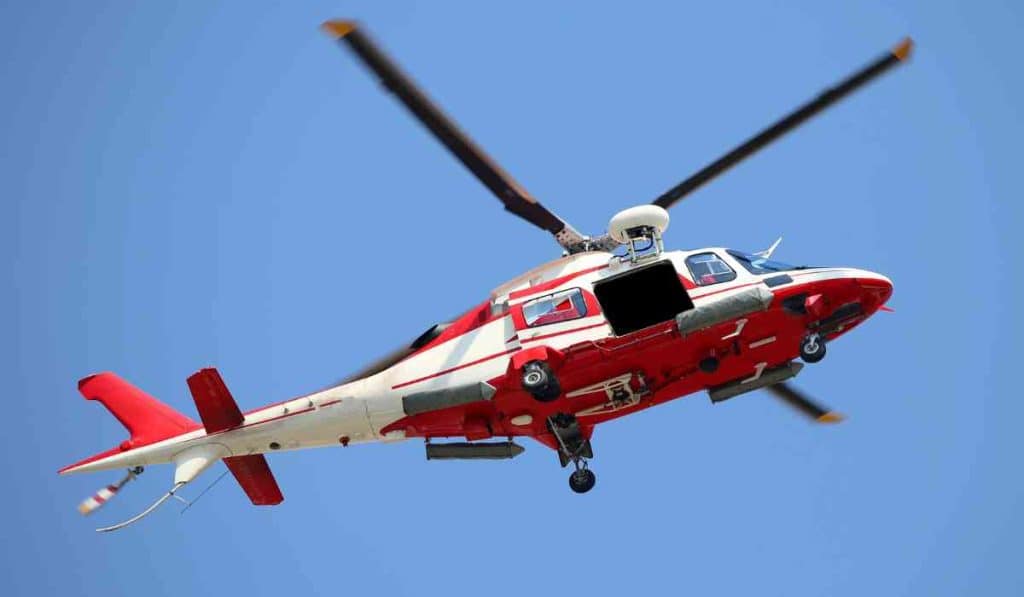
When a patient needs to travel across borders while requiring air ambulance Singapore support, arranging an ordinary flight is not always straightforward. The journey may involve hospital coordination, medical documentation, ground ambulance transfers, airline requirements, clinical supervision, and communication between multiple healthcare and travel teams.
That is where an air ambulance Singapore service may become relevant.
However, “air ambulance” does not always mean the same thing in every case. Some patients may require a dedicated aircraft and medical team. Others may be able to travel on a commercial flight with an appropriate medical escort. The right arrangement depends on the patient’s clinical needs, the travel route, the destination, the aircraft, and the level of support required throughout the journey.
For families, hospitals, insurers, and travel-assistance providers in Singapore, the important question is not simply, “How do I book an air ambulance?”
It is:
What type of medical transport is appropriate, and how can the transfer be coordinated safely from the current location to the destination?
What is an air ambulance?
An air ambulance is an aircraft-based medical transport arrangement designed to move a patient who requires medical support during a flight or whose condition and transport needs make ordinary travel unsuitable.
Depending on the case, an air medical transport arrangement may involve:
- a dedicated air ambulance aircraft
- a medical team accompanying the patient
- ground ambulance transfers before and after the flight
- coordination with hospitals
- medical documentation
- airport and flight coordination
- destination arrangements
- medical handover at the receiving facility
The term is often used broadly. In practice, air medical transport can include several different models.
For example, a patient may require a dedicated aircraft for a medically complex transfer. Another patient may be stable enough to travel on a commercial flight with a medical escort. A third patient may only require assistance with mobility and airport transfers.
These are not interchangeable services. A proper assessment should consider the patient’s current medical needs, the planned route, the destination, the aircraft, and the level of clinical support required during travel.
When might air medical transport from Singapore be considered?
Air medical evacuation from Singapore may be considered in a range of situations, including:
Medical repatriation
A patient may have become ill or injured while overseas and need to return to Singapore or their home country for further care.
Transfer to specialised treatment
A patient may need to move between countries because a particular hospital or treatment pathway is located elsewhere.
Cross-border patient transfer
Regional travel may be required between Singapore and another country, including nearby destinations in Southeast Asia.
Long-distance patient relocation
Some patients may need to move over a significant distance while receiving medical supervision during the journey.
Hospital-to-hospital coordination
The transfer may involve a planned handover from one hospital to another, with ground transport connecting the hospital, airport, aircraft, and destination facility.
The need for an air ambulance or another form of medical transport should not be determined by distance alone. The patient’s clinical condition, mobility, care requirements, travel route, and destination arrangements all matter. This is particularly important because a dedicated air ambulance is not automatically the most appropriate option for every patient who needs to travel.
Air ambulance vs medical escort: what is the difference?
One of the most important decisions in medical air transport is understanding the difference between the available transport models.
| Transport option | Typical use | Main consideration |
|---|---|---|
| Dedicated air ambulance | Patient requires a dedicated medical transport arrangement | Aircraft and clinical support are planned around the case |
| Commercial flight with medical escort | Patient may be able to travel on a scheduled airline with professional support | Airline requirements and medical support needs must be assessed |
| Commercial flight with assistance | Patient is generally able to travel but needs mobility or logistical assistance | Assistance may not equal clinical monitoring |
| Ground medical transport | Patient requires medical transport over land | Distance, route, condition and care needs determine suitability |
The most important point is that these options should not be selected based on marketing labels alone. A medical escort is not the same as a dedicated air ambulance. Similarly, airport assistance is not the same as clinical medical supervision.
For some patients, commercial travel with appropriate medical support may be considered. HealthHub notes that airlines have their own requirements for passengers with medical conditions, and some travellers may need medical certification or a medical clearance process depending on their circumstances.
For other cases, a dedicated air ambulance arrangement may be more appropriate because the patient requires a different level of transport planning or medical support. The decision should be based on the specific case rather than on the assumption that the most expensive or most specialised option is always the best one.
How does an air ambulance transfer from Singapore work?
A well-coordinated medical evacuation is more than a flight booking.
A typical process may include the following stages.
1. Initial case assessment
The medical transport provider needs to understand the situation.
Useful information may include:
- the patient’s current location
- the treating hospital or doctor
- the medical condition and current status
- mobility requirements
- oxygen or other support requirements, if applicable
- the destination
- the preferred travel timeframe
- the receiving hospital or facility
- available medical records
The purpose of this initial information is to determine what type of transport planning may be needed. It is not a substitute for a treating physician’s clinical assessment.
2. Transport planning
The transport team can then consider the operational requirements of the journey.
These may include:
- the distance and route
- aircraft availability
- commercial flight options
- medical escort requirements
- ground ambulance transfers
- airport arrangements
- destination coordination
- medical documentation
- airline requirements
The appropriate arrangement may be a dedicated air ambulance, a commercial flight with medical escort, or another coordinated pathway.
3. Coordination with the treating and receiving facilities
A cross-border medical transfer can involve several parties.
These may include:
- the current hospital
- the receiving hospital
- treating physicians
- medical transport coordinators
- ground ambulance providers
- airlines
- insurers
- travel-assistance companies
- family members
Clear communication is important because the transfer does not end when the aircraft lands. The receiving facility must be prepared for the patient’s arrival, and the patient may still require ground medical transport from the airport to the destination facility.
4. Ground-to-air coordination
For many cases, the journey is effectively a chain of connected transfers:
Current facility → ground medical transport → airport → aircraft → destination airport → ground medical transport → receiving facility
Each stage needs to be considered as part of the overall journey.
A gap between one stage and the next can create avoidable logistical problems. This is why many families and organisations prefer to work with a provider that can help coordinate the broader medical transport process rather than arranging each individual segment independently.
5. Medical handover
Continuity of information is an important part of a medical transfer.
The relevant medical information should be available to the professionals responsible for the next stage of care. The exact documentation required depends on the patient’s situation, the destination, the receiving facility, and the transport arrangements. The objective is to make the transition between care teams as organised as possible.
What affects air ambulance cost in Singapore?
One of the most common searches related to air ambulance services is air ambulance cost Singapore or air ambulance price Singapore.
The difficulty is that there is no single price that applies to every medical evacuation.
A quotation may be influenced by factors such as:
Distance and route
A short regional transfer and a long-distance international flight involve very different operational requirements.
Aircraft requirements
The aircraft arrangement depends on the route, availability, operational requirements, and the patient’s transport needs.
Medical support
The level and type of medical support required during transport can affect planning and cost.
Ground ambulance transfers
The overall journey may include transfers between hospitals, airports, and receiving facilities.
Urgency
Urgent arrangements may involve different coordination requirements from planned medical repatriation.
Destination arrangements
The destination hospital, airport, ground transfer, and cross-border coordination can all affect the overall scope of the transport.
Documentation and travel requirements
Medical records, airline requirements, travel documents, and other case-specific requirements may need to be addressed before travel. For these reasons, a responsible air ambulance provider should assess the actual case before providing a meaningful quotation.
MOH also advises patients and caregivers using private ambulance services to understand applicable charges before engaging the service, noting that fees can vary depending on the patient’s specific condition and service requirements.
A price comparison based only on a headline figure can therefore be misleading. The more useful question is:
What is included in the proposed medical transport arrangement, and does it match the patient’s actual requirements?
What should you consider when choosing an air ambulance service in Singapore?
If you are comparing air ambulance companies in Singapore, do not focus only on the words “24/7,” “international,” or “fast.”
Consider the following.
1. Is the provider’s role clear?
Ask whether the company is arranging:
- a dedicated air ambulance
- a medical escort
- ground ambulance transport
- a full medical evacuation coordination service
- or a combination of these services
The scope should be clear.
2. Can the provider coordinate the entire journey?
A patient may require multiple connected transfers.
Ask how the provider manages coordination between:
- the current hospital
- the airport
- the aircraft
- the destination airport
- the receiving hospital
3. How is the patient’s clinical information handled?
The transport planning process should be based on relevant medical information and the patient’s actual requirements. The provider should not promise that a patient can fly before the necessary medical and operational assessment has taken place.
4. Are air ambulance Singapore services appropriately regulated?
Singapore’s healthcare regulatory framework includes Emergency Ambulance Service and Medical Transport Service as regulated healthcare services under the Healthcare Services Act. MOH advises the public to engage licensed providers for applicable conveyance services. This is especially relevant when a medical evacuation includes ground ambulance transfers in Singapore.
5. Does the provider understand the difference between medical transport and aviation requirements?
A medical transport provider may coordinate the medical side of a journey, while flight operations and airline requirements involve separate aviation and airline considerations.
For example, CAAS regulates aviation matters within its remit, while airlines may have their own procedures for passengers with medical conditions. HealthHub specifically advises travellers to check with their doctor and airline when medical conditions may affect air travel. A professional transport arrangement should account for these different requirements rather than treating the flight as a simple booking.
What information should you prepare before requesting an air ambulance quote?
The more complete the initial information, the easier it may be to assess the transport requirements.
Before contacting an air ambulance service in Singapore, try to have the following available:
Patient information
- age
- current location
- treating hospital
- treating doctor’s contact details
- current medical condition
- mobility status
- relevant medical records
Travel information
- departure location
- destination country and city
- receiving hospital or facility
- preferred travel timeframe
- passport or travel-document information where relevant
Medical transport information
- whether a ground ambulance is needed
- whether a medical escort is being considered
- whether commercial travel is being considered
- any known airline or travel restrictions
- insurance or assistance-provider details
You do not need to have every answer before making an enquiry. A medical transport provider can help identify the information needed for the next stage of planning.
Singapore to Malaysia air ambulance transfers
Searches for air ambulance Singapore to Malaysia often reflect the need for regional medical transport rather than a long-distance intercontinental evacuation.
In some cases, the practical transport solution may involve a combination of ground and air travel. In others, ground medical transport may be more appropriate depending on the patient’s condition, route, distance, and operational circumstances.
The key point is that the Singapore–Malaysia route should not automatically be treated as one standard transport product.
The appropriate arrangement may depend on:
- the patient’s current location
- the destination facility
- the medical support required
- the route
- border and travel coordination
- the urgency of the transfer
- the patient’s ability to travel by the selected mode
A provider should evaluate the actual journey rather than simply selling a generic “Singapore to Malaysia air ambulance” package.
When should a family or organisation seek professional medical transport coordination?
Professional coordination may be particularly useful when a patient:
- needs to travel internationally after hospital treatment
- requires medical support during a long journey
- is being transferred between healthcare facilities
- needs assistance coordinating ground and air transfers
- may require a medical escort
- is being repatriated to another country
- has family members who are struggling to manage the logistics
- is being moved under an insurer or travel-assistance arrangement
This does not mean every patient requires a dedicated air ambulance. It means that the transport plan should be matched to the patient’s actual requirements.
The decision should be coordinated with the treating medical team and relevant transport professionals. This article provides general educational information and does not determine whether a particular individual is fit to fly or which transport arrangement is medically appropriate.
How Swift Ambulance supports air medical evacuation from Singapore
Swift Ambulance provides Air Medical Evacuation & Medical Escort Services for international and regional medical transport coordination from Singapore.
The service is relevant to situations such as:
- medical repatriation
- transfer to specialised overseas treatment
- cross-border emergency medical transport
- long-distance patient relocation
Swift’s service model recognises that medical travel may involve more than an aircraft alone. Depending on the case, the overall arrangement may involve air ambulance coordination, commercial-flight medical escort, ground transfers, and communication between the relevant medical and transport teams.
For patients, families, hospitals, insurers, and travel-assistance providers, the practical first step is to provide the available case information and discuss the required route and support needs.
The medical transport team can then help determine what information is needed to plan the next stage.
Air ambulance Singapore: questions to ask before booking
Before choosing a provider, ask:
- What type of transport is being proposed?
- Is this a dedicated air ambulance or a commercial flight with medical escort?
- Are ground ambulance transfers included?
- How is the receiving hospital coordinated?
- What medical information is required?
- Are there airline or travel-clearance requirements?
- What services are included in the quotation?
- Which costs may be additional?
- Who coordinates the transfer between each stage of the journey?
- What happens if the patient’s condition changes before departure?
These questions help families and organisations compare providers on the basis of actual service scope rather than advertising language alone.
Frequently Asked Questions
What is an air ambulance in Singapore?
An air ambulance is a medical transport arrangement involving aircraft-based patient transport and appropriate medical support. Depending on the case, the arrangement may involve a dedicated aircraft, medical escort, ground ambulance transfers, or a combination of coordinated services.
How much does an air ambulance cost in Singapore?
There is no single standard price for every case. Cost can depend on the route, aircraft arrangement, medical support requirements, ground transfers, urgency, destination, and other operational factors. A case-specific quotation is more meaningful than a generic advertised price.
Is an air ambulance always better than a commercial flight?
No. The appropriate transport method depends on the patient’s clinical and logistical requirements. Some patients may be suitable for a commercial flight with medical support, while others may require a dedicated air ambulance arrangement.
Can an air ambulance fly from Singapore to Malaysia?
A medical transport arrangement between Singapore and Malaysia may be possible, but the appropriate transport method depends on the patient, route, destination, clinical requirements, and operational planning. The route should be assessed on a case-by-case basis.
Can a patient travel on a commercial flight with a medical escort?
In some circumstances, medical escort arrangements may be considered for patients who can travel on a scheduled airline but require professional support. Airline requirements and the patient’s medical situation must be considered before travel.
What is medical repatriation?
Medical repatriation generally refers to arranging a patient’s return to their home country or another appropriate location after illness or injury. The transport method depends on the patient’s requirements and the route.
Do air ambulance services include ground transport?
Some medical transport arrangements may include or coordinate ground ambulance transfers. This should be confirmed as part of the quotation and transport plan.
What information does an air ambulance provider need?
The provider will generally need information about the patient’s current location, medical situation, treating facility, destination, receiving facility, travel requirements, and preferred timeframe. The exact information required varies by case.
Is a patient automatically approved to fly after booking an air ambulance?
No. Transport planning and flight suitability are case-specific. A provider should not guarantee transport approval or flight suitability without the necessary medical and operational assessment.
Who should families contact for urgent life-threatening emergencies in Singapore?
For life-threatening emergencies in Singapore, MOH advises the public to call 995. Private medical transport arrangements should not replace the emergency response pathway for an immediate life-threatening emergency.
Planning an air medical transfer from Singapore?
The right transport arrangement depends on the patient, the route, the destination, and the level of medical support required. If you are arranging a medical repatriation, cross-border patient transfer, international medical evacuation, or medical escort from Singapore, contact Swift Ambulance to discuss the case and the required transport coordination.
Air ambulance arrangements should be planned around the patient’s actual medical and operational needs—not a generic transport package.


