 Skip to content
When a medical emergency requires urgent transfer across borders, time becomes the most critical factor. In such situations, air evacuation Singapore services play a vital role in ensuring critically ill or injured patients receive continuous ICU-level care while being transported safely to the appropriate medical facility. Singapore, as a major medical hub in Asia, often serves as both a treatment center and a departure point for international patient transfers. Understanding how medical air evacuation works can help families, caregivers, and healthcare coordinators make faster, more informed decisions during high-pressure situations.
Understanding Air Evacuation in Singapore
Air evacuation Singapore refers to the medically supervised transport of patients via aircraft, typically a specially equipped air ambulance. These missions are designed for patients who cannot safely travel on commercial flights due to critical illness, trauma, or the need for continuous medical monitoring. Unlike standard transportation, air evacuation involves a fully integrated medical system onboard. This includes ICU-grade equipment, trained flight physicians, and real-time patient monitoring throughout the journey.
Singapore’s position as a global aviation and healthcare hub makes it a key location for aeromedical operations. Patients are frequently transported from Singapore to other countries for long-term treatment, specialized surgeries, or closer proximity to family support systems.
When Air Evacuation Becomes Necessary
Not every medical case requires air evacuation. However, certain conditions make it essential.
Patients may require medical evacuation Singapore services in cases such as:
- Severe trauma injuries requiring immediate specialized care
- Stroke or cardiac emergencies needing rapid relocation
- Organ failure requiring ICU-level monitoring
- Post-surgical complications in unstable patients
- Neonatal or pediatric critical care transfers
- Patients on ventilators or life support systems
In many cases, commercial flights are not medically safe due to cabin pressure changes, limited medical support, and lack of emergency intervention capability. This is where dedicated emergency air ambulance Singapore services become essential. The decision is typically made by attending physicians in coordination with aviation medical teams who assess whether the patient is stable enough for transport.
How air evacuation Singapore Works
The process of air evacuation Singapore is highly coordinated and typically follows a structured sequence to minimize delays and medical risks.
1. Initial Medical Assessment
A medical team evaluates the patient’s condition, including stability, oxygen needs, and equipment requirements.
2. Flight Planning and Coordination
The evacuation provider coordinates with hospitals, aviation authorities, and receiving medical facilities.
3. Aircraft Preparation
The air ambulance is configured like a flying ICU, equipped with ventilators, monitors, infusion pumps, and emergency medication.
4. Patient Transfer (Bed-to-Bed)
The patient is transported from hospital to aircraft under continuous medical supervision.
5. In-Flight Monitoring
A critical care team manages the patient throughout the flight, ensuring stability and responding to emergencies.
6. Arrival and Handover
The patient is transferred directly to the receiving hospital for continued care.
At this stage, families often coordinate directly with providers like Swift Ambulance to arrange rapid deployment and international logistics support.
ICU-Level Care in Air Ambulance Transport
A key component of ICU air evacuation Singapore services is the ability to replicate intensive care conditions inside an aircraft.
Modern air ambulances function as airborne ICUs equipped with:
- Mechanical ventilators
- Multi-parameter patient monitors
- Defibrillators
- Oxygen delivery systems
- Emergency drug kits
- Specialized stretchers for critical patients
The onboard medical team typically includes:
- Critical care physicians
- Flight nurses
- Paramedics trained in aeromedical protocols
This ensures continuous care equivalent to a hospital ICU, even at high altitude.
Types of Medical Evacuation Services
Different evacuation methods are used depending on urgency and distance.
Fixed-Wing Air Ambulance
Used for international transfers. Best for long-distance aeromedical evacuation Singapore operations.
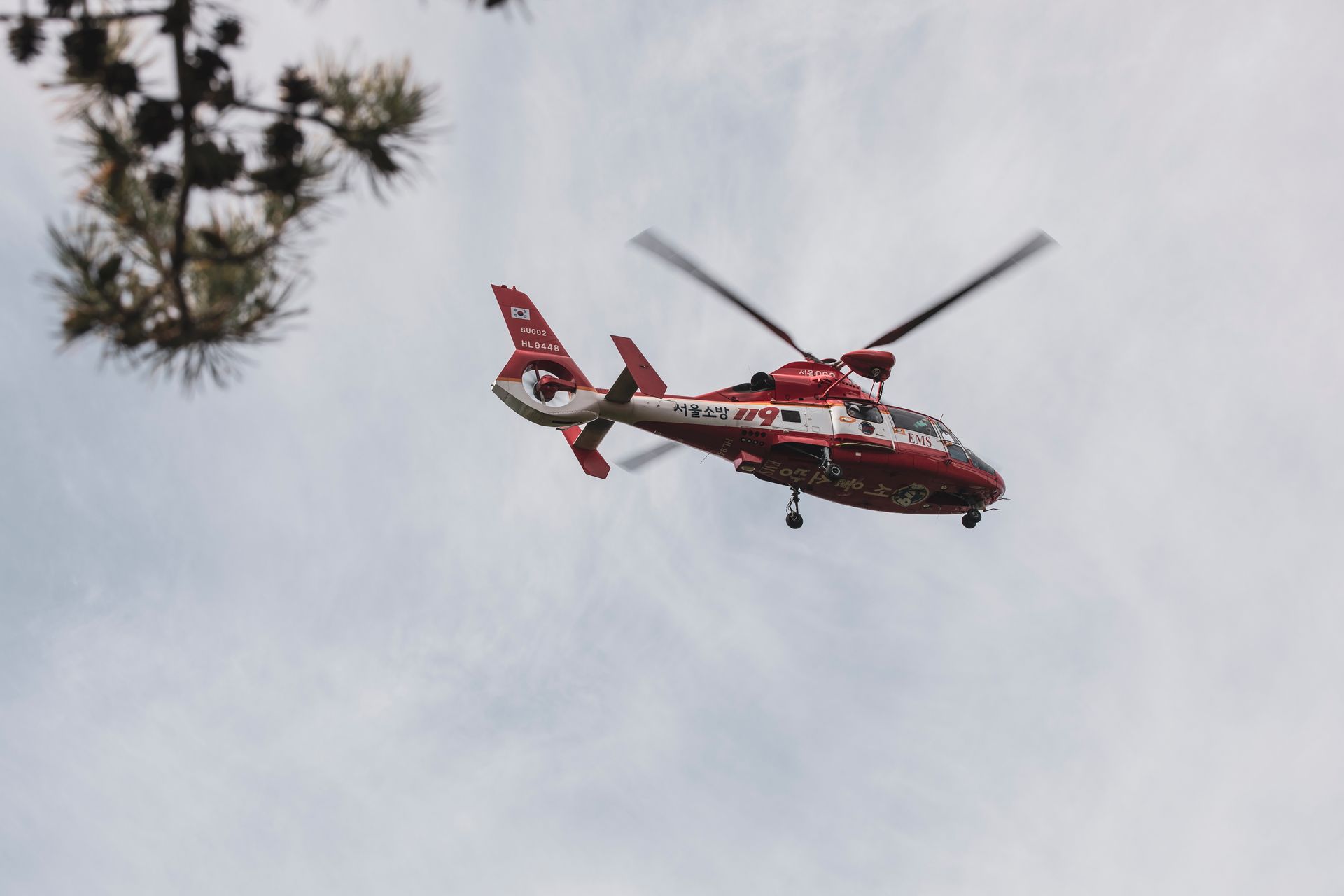
Helicopter Emergency Medical Service (HEMS Singapore)
Used for short-distance emergency transfers within or near urban areas.
Commercial Medical Escort
For stable patients who require monitoring but not ICU-level intervention.
Each service type plays a specific role in emergency medical evacuation Singapore, depending on patient condition and destination.
Cost Factors for Medical Evacuation Singapore
The cost of air ambulance companies Singapore services varies significantly based on multiple factors:
- Distance of transfer route
- Patient condition severity
- ICU equipment required onboard
- Medical staff composition
- Airport and landing permissions
- Urgency of dispatch
Critical cases requiring full ICU setup and rapid international deployment tend to be higher in cost due to operational complexity. Insurance coverage may apply in many cases, particularly for pre-approved emergency medical evacuation policies.
International Patient Transfer from Singapore
Singapore often serves as a starting point for international patient transfer Singapore cases due to its advanced medical infrastructure and strategic location.
Cross-border transfers involve:
- Coordination between hospitals in two countries
- Aviation clearance and landing permissions
- Medical documentation and fitness-to-fly clearance
- Customs and immigration handling for medical cases
Providers like Swift Ambulance manage these logistics to ensure seamless transfer without delays that could impact patient safety.
Choosing the Right Air Ambulance Provider
Selecting the right provider for critical care air transport Singapore is a decision that directly impacts patient outcomes.
Key factors include:
- Availability of ICU-equipped aircraft
- 24/7 emergency response capability
- Experienced critical care medical team
- Proven international coordination experience
- Transparent communication during emergencies
A reliable provider should also be able to mobilize rapidly, often within hours, depending on the case severity.
Why Time Matters in Air Evacuation
In medical emergencies, delays can significantly impact recovery outcomes. Rapid deployment in aeromedical evacuation Singapore scenarios often determines survival rates, especially in cases involving:
- Stroke
- Cardiac arrest recovery
- Severe trauma
- Organ failure
This is why professional coordination and immediate response capability are essential.
FAQs
What is the difference between air ambulance and commercial medical escort?
Air ambulances are ICU-equipped aircraft for critical patients, while medical escorts are used for stable patients on commercial flights.
How fast can air evacuation be arranged in Singapore?
Depending on the case, evacuation can often be arranged within a few hours to 24 hours.
Is ICU care available during flight?
Yes, air ambulances are equipped as flying ICUs with full monitoring and life support systems.
Can insurance cover air evacuation Singapore services?
Many international insurance policies include medical evacuation coverage, but approval depends on policy terms.
When should I consider emergency air evacuation?
When a patient is medically unstable for commercial travel or requires continuous ICU monitoring.
Final CTA
In critical situations, every minute matters. Coordinated air evacuation Singapore services ensure patients receive uninterrupted care from hospital to hospital, regardless of distance. Swift Ambulance provides rapid-response medical coordination for international and domestic emergency transfers, ensuring patients receive safe, ICU-level care throughout their journey. For urgent assistance or immediate medical evacuation planning, contact the Swift Ambulance coordination team for 24/7 support.


