 Skip to content
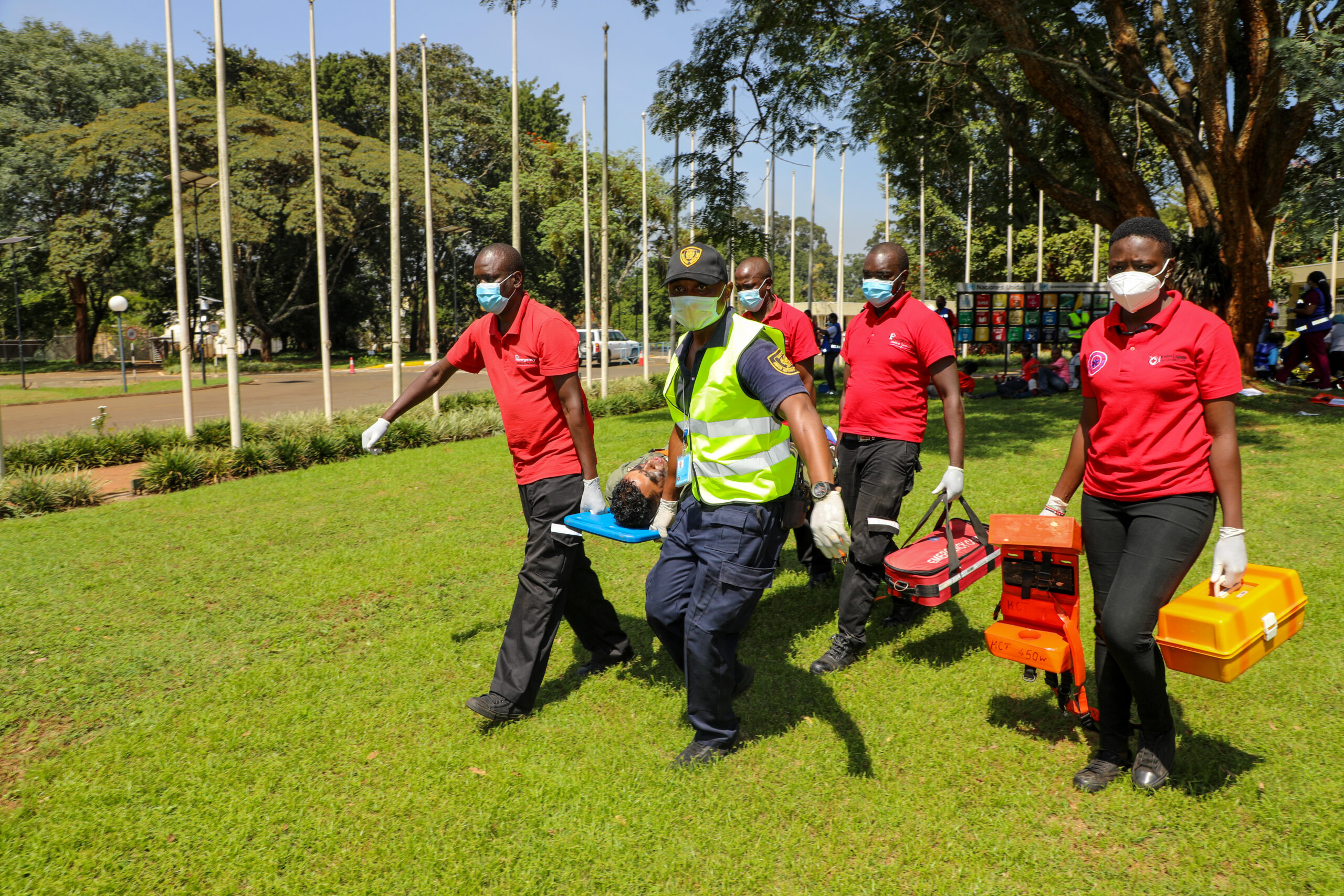
In a medical emergency, seconds matter. The difference between life and loss often depends on the competence, confidence, and coordination of the responding crew. This is where ambulance training becomes mission-critical. It shapes emergency medical professionals into highly skilled responders capable of delivering rapid, evidence-based care in unpredictable environments.
For a professional provider like Swift Ambulance, ambulance operations are not just about transport. They involve advanced clinical assessment, trauma stabilization, cardiac intervention, airway management, and patient-centered communication — all delivered under pressure. Effective ambulance training ensures that every paramedic, EMT, and driver operates at peak readiness.
This article breaks down what ambulance training includes, why it matters, the skills it builds, current industry trends, and how structured programs elevate emergency medical services (EMS) to world-class standards.
What Is Ambulance Training?
Ambulance training refers to structured education and practical skill development programs designed to prepare emergency medical personnel to deliver pre-hospital care. It combines medical knowledge, simulation-based learning, field exposure, and operational readiness training.
It typically includes:
- Basic Life Support (BLS)
- Advanced Life Support (ALS)
- Trauma management
- Cardiac emergency response
- Patient transport protocols
- Communication and teamwork drills
- Equipment handling and ambulance safety
Ambulance training bridges theory and real-world emergency response. It ensures that responders can assess, treat, stabilize, and safely transport patients in dynamic, high-risk environments.
Why Ambulance Training Is Essential in Modern Healthcare
Emergency medical services are the frontline of healthcare. Paramedics often see patients before any hospital clinician does. According to global emergency medicine research, early intervention in cardiac arrest, stroke, trauma, and respiratory distress significantly improves survival rates.
High-quality ambulance training directly impacts:
1. Patient Survival Outcomes
Early CPR, defibrillation, and airway management can double or triple survival chances in cardiac arrest cases.
2. Clinical Accuracy
Accurate pre-hospital assessment prevents misdiagnosis and supports better hospital preparedness.
3. Operational Efficiency
Well-trained crews reduce scene time while maintaining patient safety.
4. Risk Management
Training reduces medical errors, vehicle accidents, and equipment misuse.
For service providers like Swift Ambulance, strong training protocols also build trust, compliance, and brand credibility.
Core Components of Modern Ambulance Training
Effective ambulance training is multi-layered. It integrates medical, technical, and behavioral competencies.
1. Clinical Emergency Care
This includes:
- Cardiopulmonary resuscitation (CPR)
- Automated External Defibrillator (AED) use
- Endotracheal intubation
- Intravenous (IV) access
- Medication administration
- Trauma stabilization
- Hemorrhage control
Advanced programs integrate real-time simulation labs with high-fidelity manikins to mimic cardiac arrest, multi-trauma incidents, and pediatric emergencies.
2. Trauma and Critical Care Response
Ambulance professionals must respond to:
- Road traffic collisions
- Falls and fractures
- Burns
- Mass casualty incidents
- Industrial accidents
Training emphasizes:
- Rapid trauma assessment (Primary & Secondary Survey)
- Spinal immobilization
- Shock management
- Triage systems (START protocol)
- Safe patient extrication
3. Ambulance Operations & Safety
Clinical skills alone are not enough. Ambulance training also covers:
- Defensive emergency driving
- Siren protocol and traffic navigation
- Infection prevention control
- Equipment maintenance checks
- Oxygen system management
- Patient transfer safety
Vehicle handling under emergency conditions is a specialized discipline. Controlled driving simulations reduce accident rates significantly.
4. Communication and Human Factors
Emergency response is team-based. Training focuses on:
- Clear radio communication
- Closed-loop communication techniques
- Patient empathy and reassurance
- Conflict de-escalation
- Cultural sensitivity
Human factors training reduces errors caused by stress, fatigue, or miscommunication.
Levels of Ambulance Personnel and Training Pathways
Different roles require different levels of ambulance training.
EMT (Emergency Medical Technician)
Focus:
- Basic Life Support
- Oxygen therapy
- Bleeding control
- Vital sign monitoring
EMTs provide foundational pre-hospital care and support paramedics.
Paramedic
Focus:
- Advanced cardiac life support
- Pharmacology
- Advanced airway procedures
- ECG interpretation
Paramedics undergo extensive academic and clinical hours, often exceeding 1,200–1,800 training hours depending on country regulations.
Critical Care Paramedic
Focus:
- Ventilator management
- Advanced pharmacology
- ICU-level transport
- Neonatal and pediatric intensive care transfers
This level requires additional certifications and clinical exposure.
Simulation-Based Learning: The Future of Ambulance Training
Modern ambulance training increasingly relies on immersive simulation. High-fidelity simulation labs replicate:
- Cardiac arrest in confined spaces
- Multi-patient scenarios
- Pediatric emergencies
- Hazardous material incidents
Simulation benefits include:
- Safe failure environment
- Real-time performance feedback
- Skill repetition without patient risk
- Stress inoculation training
Many advanced EMS systems now integrate virtual reality (VR) modules to enhance situational awareness and decision-making speed.
Compliance, Accreditation, and Quality Standards
High-performing ambulance providers align training with recognized standards such as:
- International trauma life support frameworks
- Advanced cardiac life support guidelines
- Infection control protocols aligned with global health standards
Training documentation, competency validation, and periodic re-certification ensure compliance and audit readiness.
Continuous professional development (CPD) is no longer optional. It is essential for maintaining clinical excellence.
Benefits of Structured Ambulance Training
A structured approach delivers measurable impact:
For Patients:
- Faster intervention
- Reduced complications
- Safer transport
- Higher survival probability
For Ambulance Providers:
- Stronger reputation
- Reduced liability risk
- Operational consistency
- Improved staff retention
For Healthcare Systems:
- Reduced emergency department overload
- Better hospital handover efficiency
- Data-driven clinical performance
Real-World Impact: A Practical Example
Consider a cardiac arrest scenario in a metropolitan city.
A trained ambulance crew arrives within minutes. One paramedic initiates high-quality CPR while another prepares the defibrillator. Airway management is secured, IV access established, and medications administered based on ACLS algorithms.
Because of structured ambulance training:
- CPR depth and rate remain within guideline standards
- Defibrillation is delivered within the golden 3–5 minutes
- Communication with the receiving hospital enables cath lab preparation
Outcome: Increased survival with improved neurological recovery.
This level of performance is not accidental. It is the direct result of systematic training.
Technology Integration in Modern Ambulance Training
Ambulance training now incorporates:
- Digital ECG transmission systems
- Telemedicine coordination
- Electronic patient care records (ePCR)
- AI-assisted triage tools
- Data analytics for performance review
Data-driven EMS training identifies response gaps and builds targeted improvement programs.
Current Trends in Ambulance Training (2026 and Beyond)
The EMS sector is evolving rapidly. Key trends include:
- Scenario-based microlearning modules
- VR-driven emergency simulations
- Competency-based certification models
- Mental resilience and burnout prevention training
- AI-supported clinical decision support
Mental health resilience training is gaining priority. EMS professionals face high stress exposure. Structured psychological support training reduces burnout and improves performance sustainability.
Frequently Asked Questions (FAQ)
How long does ambulance training take?
Duration varies by role. EMT programs may take 3–6 months, while paramedic programs can extend 1–2 years including clinical rotations.
Is ambulance training physically demanding?
Yes. It requires lifting patients, working in confined spaces, and maintaining stamina during long shifts.
How often should ambulance professionals renew certifications?
Most clinical certifications require renewal every 2–3 years, with mandatory continuing education hours.
Can ambulance training improve response time?
Yes. Training enhances scene efficiency, communication speed, and coordinated action.
Is simulation necessary for effective ambulance training?
Absolutely. Simulation bridges the gap between theory and unpredictable field reality.
How Swift Ambulance Prioritizes Excellence Through Training
For a professional ambulance provider, training is not a one-time event. It is an ongoing system of skill validation, performance monitoring, and quality improvement.
Swift Ambulance integrates:
- Regular competency assessments
- Scenario-based drills
- Equipment upgrade training
- Clinical audit reviews
- Continuous skill enhancement workshops
This structured ecosystem ensures every team member operates with clinical precision and operational confidence.
Conclusion: Why Ambulance Training Defines Emergency Excellence
In emergency medicine, preparedness saves lives. Ambulance training is the foundation that transforms responders into high-performance emergency professionals. It blends clinical science, operational safety, technology integration, and human-centered communication.
For ambulance providers like Swift Ambulance, structured and continuous training strengthens patient outcomes, operational integrity, and long-term credibility.
Healthcare systems continue to evolve. Emergencies are becoming more complex. Only organizations that invest in advanced ambulance training will remain reliable, trusted, and future-ready.
If you are evaluating ambulance services, prioritize those that demonstrate a strong commitment to training excellence. It is one of the clearest indicators of service quality and patient safety.


