 Skip to content
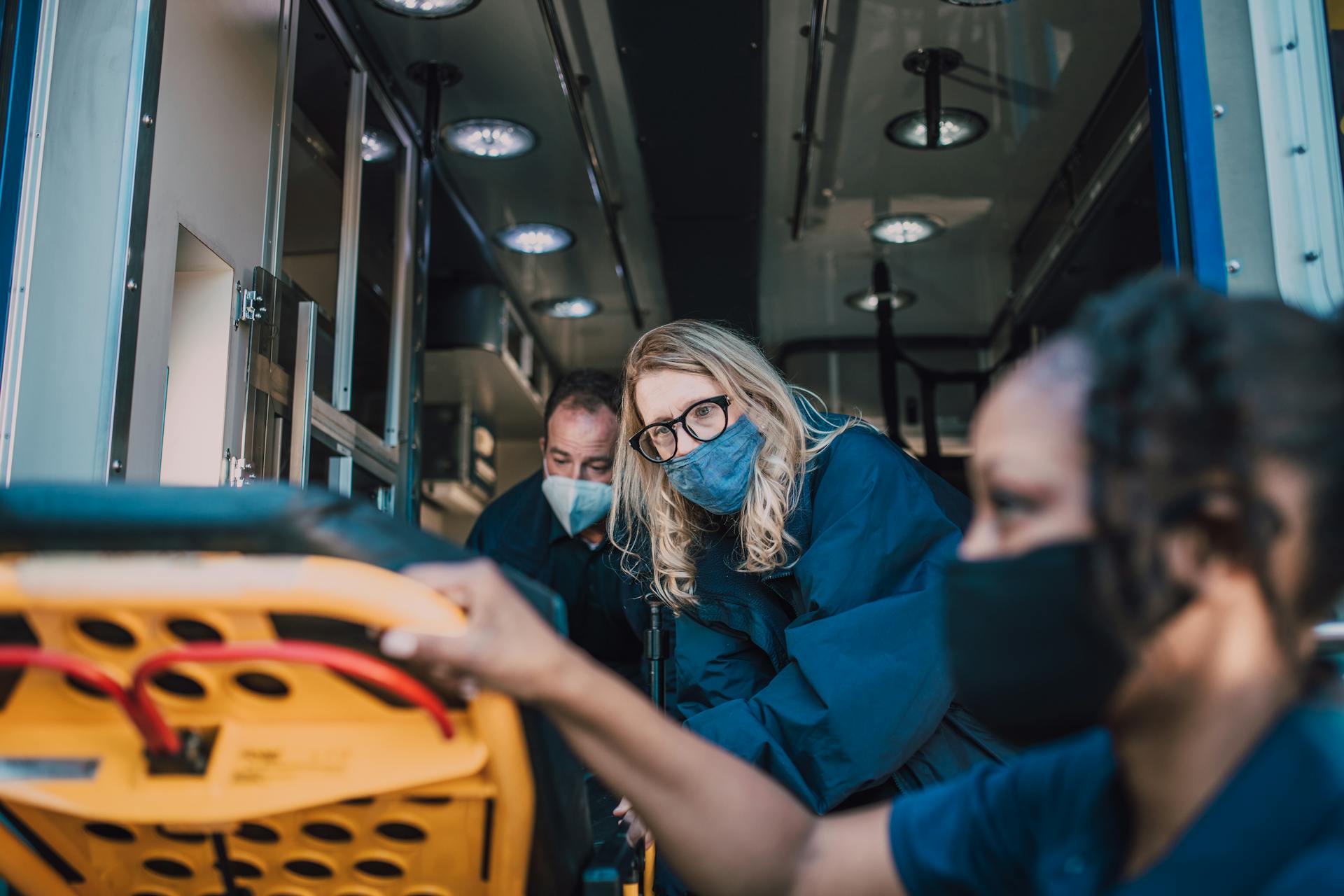
In a city as fast-moving and dynamic as Sydney, access to emergency ambulance services is not just a healthcare feature. It is a critical lifeline. Whether it’s a road accident on the M1, a cardiac emergency in Parramatta, or a home medical crisis in Bondi, the speed, clinical expertise, and coordination of ambulance teams directly influence survival and recovery outcomes.
Modern ambulance services have evolved into mobile emergency care units equipped with advanced medical technology, highly trained paramedics, and real-time communication systems. For residents, businesses, and healthcare facilities, understanding how these services operate and why choosing the right provider matters — can make a measurable difference in emergency preparedness.
What Are Emergency Ambulance Services?
Emergency ambulance services are specialised medical transport systems designed to deliver immediate pre-hospital care and rapid transport for patients facing acute illness, trauma, or life-threatening conditions.
These services go far beyond transportation. They provide:
- On-site clinical assessment
- Life-saving interventions
- Continuous monitoring
- Safe transfer to the most appropriate medical facility
In Sydney’s urban and suburban environments, where response time is closely tied to patient survival rates, advanced ambulance infrastructure plays a pivotal role in the healthcare ecosystem.
Why Emergency Ambulance Services Are Essential in Sydney
Sydney’s population density, busy transport corridors, coastal lifestyle, and growing ageing demographic create a high demand for rapid-response medical care.
Key reasons these services are vital:
Time-Critical Emergencies
Cardiac arrest, stroke, and severe trauma require treatment within minutes. Early intervention significantly improves survival and reduces long-term complications.
Pre-Hospital Advanced Care
Modern paramedics deliver treatments that were once only available in emergency departments, including defibrillation, airway management, IV medication, and cardiac monitoring.
Hospital Coordination
Ambulance teams communicate with emergency departments in real time, ensuring patients are transported to the most appropriate facility based on their condition.
Support for Remote and Urban Areas
From Sydney CBD to Western Sydney growth corridors, professional ambulance networks ensure consistent emergency coverage.
Types of Emergency Ambulance Services
1. Advanced Life Support (ALS) Ambulances
These units are staffed by highly trained paramedics capable of performing complex medical procedures such as:
- Cardiac resuscitation
- Drug administration
- Advanced airway management
- ECG monitoring
They are typically deployed for high-acuity emergencies.
2. Basic Life Support (BLS) Ambulances
Designed for non-critical but urgent cases, these ambulances provide:
- Oxygen therapy
- First aid and patient stabilisation
- Safe medical transport
3. Intensive Care Ambulances
Used for critically ill patients requiring:
- Ventilator support
- Continuous cardiac monitoring
- Specialist paramedic care
4. Event Medical Ambulance Coverage
Sydney hosts major events year-round. Dedicated ambulance teams provide on-site emergency response for:
- Sporting events
- Concerts and festivals
- Corporate gatherings
Inside a Modern Emergency Ambulance
Today’s ambulances function as compact emergency rooms. Key onboard technologies include:
- Defibrillators and cardiac monitors
- Portable ventilators
- Infusion pumps
- Trauma care kits
- Real-time communication systems
This clinical mobility allows treatment to begin at the scene — not after hospital arrival.
How Emergency Ambulance Services Improve Patient Outcomes
Faster Response Times
Strategically located ambulance stations across Sydney reduce travel time to emergencies.
Early Clinical Intervention
Immediate treatment for stroke or heart attack can prevent permanent damage.
Specialist Triage
Paramedics assess the patient’s condition and transport them to the most suitable hospital, not simply the nearest one.
Continuity of Care
Live data transmission enables emergency departments to prepare before the patient arrives.
Real-World Scenario: Cardiac Emergency in Sydney
A middle-aged professional collapses in a North Sydney office due to sudden cardiac arrest.
Within minutes:
- Emergency dispatch sends the nearest advanced life support ambulance
- Paramedics begin CPR and defibrillation
- Cardiac rhythm stabilises
- Patient is transported to a specialist cardiac facility with pre-arrival notification
This seamless chain of survival significantly increases the likelihood of recovery.
Who Uses Emergency Ambulance Services?
These services support a wide range of situations:
- Road traffic accidents
- Workplace medical emergencies
- Elderly patient critical care
- Acute respiratory distress
- Severe allergic reactions
- Sports injuries
They are also essential for:
- Residential communities
- Aged care facilities
- Schools and universities
- Corporate workplaces
- Event organisers
Current Trends in Emergency Ambulance Services
Smart Dispatch Systems
AI-powered call triage and GPS tracking reduce response times and improve resource allocation.
Telehealth Integration
Paramedics can now consult hospital specialists in real time during patient care.
Electric and Hybrid Ambulances
Sydney is moving toward sustainable emergency fleets to reduce environmental impact.
Community Paramedicine
Expanding roles for paramedics in preventive and home-based care reduce hospital pressure.
Data-Driven Emergency Planning
Predictive analytics helps position ambulances in high-demand zones.
Choosing a Reliable Emergency Ambulance Provider in Sydney
When selecting a provider, key considerations include:
- 24/7 availability
- Qualified and experienced paramedics
- Advanced life support capability
- Modern medical equipment
- Rapid response infrastructure
- Strong hospital network coordination
A professional service like Swift Ambulance ensures clinical excellence, operational efficiency, and patient-focused care.
Cost, Accessibility, and Private Ambulance Services
Private emergency ambulance services in Sydney offer:
- Faster response for non-government calls
- Inter-facility critical transfers
- Event medical coverage
- Priority medical transport
For businesses and event organisers, partnering with a private provider enhances safety compliance and risk management.
The Future of Emergency Ambulance Services in Australia
Healthcare innovation is reshaping ambulance operations.
Expect to see:
- Drone-assisted medical supply delivery
- Fully connected digital patient records
- Autonomous emergency vehicles
- Expanded mobile stroke and cardiac units
These advancements will further reduce mortality rates and improve patient experiences.
Frequently Asked Questions
How fast do emergency ambulances respond in Sydney?
Response time depends on location and case priority, but advanced dispatch systems aim for the fastest possible arrival, often within minutes in metro areas.
Are paramedics qualified to provide advanced treatment?
Yes. Modern paramedics are highly trained healthcare professionals capable of delivering life-saving interventions on-site.
Can ambulance services be booked for events?
Yes. Event medical ambulance coverage is a common service for public and private gatherings.
When should you call an emergency ambulance?
Call immediately for chest pain, breathing difficulty, unconsciousness, severe injury, stroke symptoms, or any life-threatening condition.
Do private ambulance services operate 24/7?
Leading providers offer round-the-clock emergency response and medical transport.
Conclusion
In a city where time-sensitive medical care can define outcomes, emergency ambulance services are a cornerstone of public health and safety. They bring intensive clinical expertise directly to the patient, reduce treatment delays, and ensure seamless hospital coordination.
For Sydney residents, healthcare providers, and organisations, partnering with a trusted, technologically advanced ambulance service is not just a convenience, it is a strategic investment in life-saving capability.
To enhance emergency readiness, explore professional ambulance solutions that combine rapid response, expert paramedics, and state-of-the-art mobile medical care.


