 Skip to content
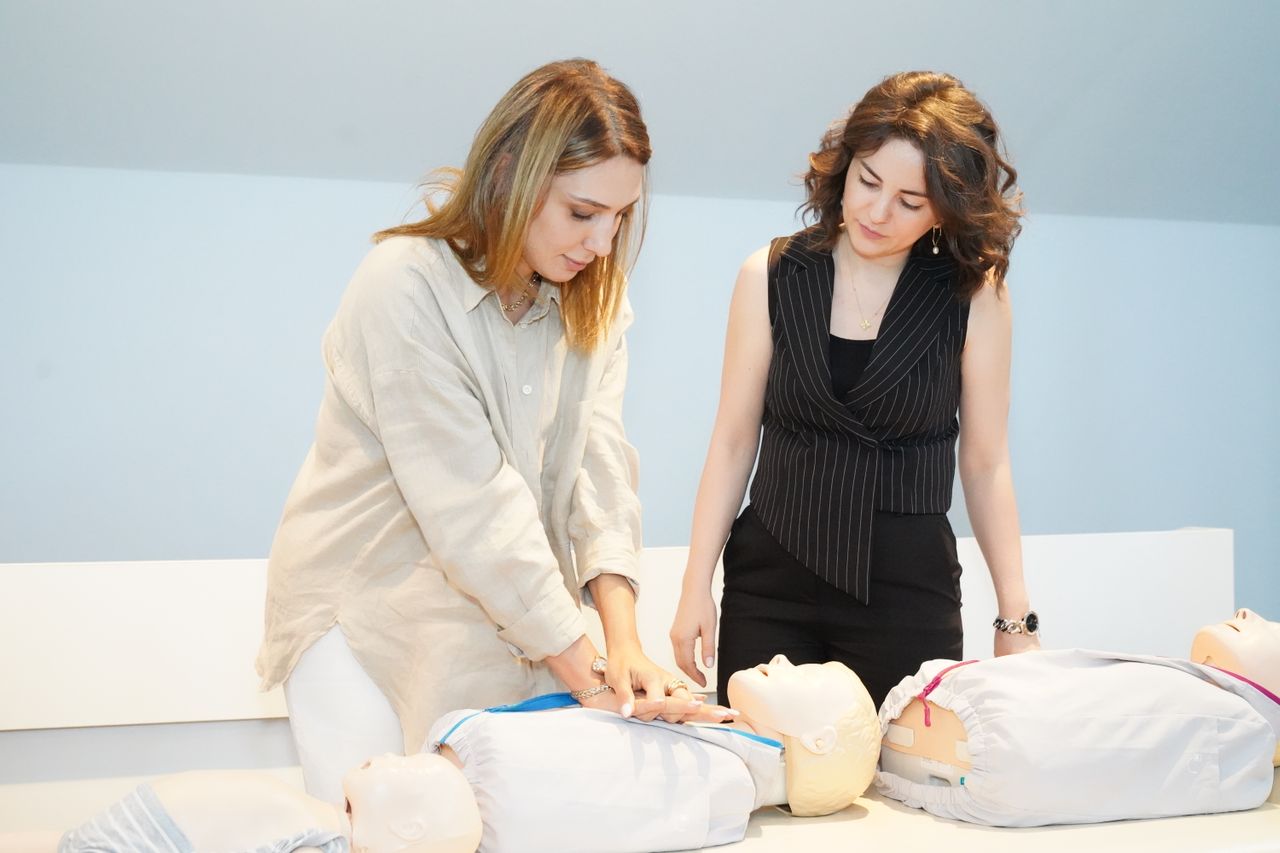
Medical emergencies can happen anywhere—at work, during events, on construction sites, in schools, or even at home. In those critical first few minutes, the actions taken by nearby individuals often determine whether a casualty recovers quickly, suffers serious complications, or survives at all. That is why Emergency First Aid Training Singapore continues to be one of the most valuable investments for individuals and organizations alike. Beyond meeting workplace requirements, effective first aid training develops confidence, practical decision-making abilities, and life-saving skills that can make a meaningful difference when every second counts.
In Singapore’s fast-paced environment, workplaces, industrial facilities, public events, and community organizations increasingly recognize the importance of emergency preparedness. Proper training equips participants to respond quickly and safely before professional medical teams arrive.
What Is Emergency First Aid Training?
Emergency First Aid Training Singapore refers to structured training that teaches participants how to recognize, assess, and respond to medical emergencies.
The goal is simple: stabilize the casualty, prevent the condition from worsening, and provide immediate assistance until professional medical care takes over.
Core Skills Covered
Most quality first aid programmes include:
- Casualty assessment
- Emergency scene management
- CPR techniques
- AED operation
- Choking response
- Bleeding control
- Fracture management
- Burn treatment
- Shock management
- Medical emergency response
Many programmes also combine CPR and AED Training Singapore with comprehensive first aid education because cardiac emergencies require immediate intervention.
Why Emergency First Aid Training Matters in Singapore
Singapore maintains high standards for workplace safety and emergency preparedness. Yet emergencies remain unpredictable. Cardiac arrests, falls, workplace injuries, burns, choking incidents, heat-related illnesses, and sudden medical conditions can occur without warning. Research consistently shows that early intervention significantly improves outcomes during emergencies. Rapid CPR and AED deployment can dramatically improve survival rates during cardiac arrest situations.
Common Emergency Situations
Emergency responders frequently encounter:
- Cardiac arrest
- Choking incidents
- Industrial accidents
- Falls from height
- Burns
- Severe bleeding
- Seizures
- Asthma attacks
- Heat exhaustion
- Unconscious casualties
Being trained means responding immediately rather than waiting helplessly for assistance.
Essential Components of Modern First Aid Training
Today’s First Aid Course Singapore programmes focus heavily on practical application.
CPR
Cardiopulmonary resuscitation (CPR) helps maintain blood circulation when the heart stops beating effectively.
Participants learn:
- Adult CPR techniques
- Compression quality
- Rescue breathing principles
- Team coordination during emergencies
AED
Automated External Defibrillators are increasingly available across Singapore.
Training covers:
- AED identification
- Safe operation
- Pad placement
- Safety precautions
- Integration with CPR
Choking Response
Participants learn how to:
- Recognize airway obstruction
- Assist conscious casualties
- Respond to unconscious casualties
- Activate emergency services appropriately
Bleeding Control
Severe blood loss can become life-threatening within minutes.
Training includes:
- Direct pressure techniques
- Wound management
- Bandaging
- Escalation procedures
Fractures and Burns
Learners gain practical knowledge in:
- Immobilization techniques
- Burn assessment
- Immediate care measures
- Casualty monitoring
| Emergency Situation | First Aid Response |
|---|---|
| Cardiac Arrest | CPR + AED |
| Choking | Airway clearance techniques |
| Severe Bleeding | Direct pressure and wound control |
| Burns | Cooling and protection |
| Fractures | Stabilization and monitoring |
| Unconscious Casualty | Recovery position and assessment |
Who Should Attend Emergency First Aid Training?
Basic First Aid Certification Singapore can benefit virtually anyone.
However, it is particularly valuable for:
- Corporate employees
- Safety officers
- Security personnel
- Construction workers
- Facility managers
- Teachers
- Coaches
- Event staff
- Caregivers
- Parents
Organizations often enroll teams in Workplace First Aid Course Singapore programmes to strengthen overall emergency readiness.
Workplace Benefits of First Aid Training
A trained workforce creates a safer environment for everyone.
Improved Emergency Response
Immediate intervention can reduce the severity of injuries and medical incidents.
Stronger Safety Culture
Employees become more aware of hazards and prevention strategies.
Increased Confidence
Staff members know how to respond calmly during emergencies rather than panic.
Better Risk Management
Prepared organizations can respond more effectively while awaiting professional medical assistance.
Example
Imagine a worker collapsing from sudden cardiac arrest in a warehouse.
Without training, colleagues may hesitate.
With Emergency Response Training Singapore, trained personnel can:
- Assess responsiveness.
- Activate emergency services.
- Begin CPR immediately.
- Deploy an AED.
- Continue care until paramedics arrive.
Those first few minutes can be critical.
Choosing the Right First Aid Course Singapore
Not all training programmes are equal.
When evaluating providers, consider:
- Instructor experience
- Practical training hours
- Scenario-based learning
- Industry relevance
- Recognition and accreditation
- Class size
- Refresher options
Many learners focus solely on obtaining a certificate. However, practical competence should be the primary objective. Hands-on exercises, realistic emergency scenarios, and instructor feedback often provide the greatest long-term value. Organizations operating in higher-risk environments may also benefit from Occupational First Aid Training Singapore programmes tailored to workplace hazards.
Why Paramedic-Led Training Makes a Difference
One factor that distinguishes high-quality programmes is instructor experience.
At Swift Emergency Ambulance Services, training is delivered by experienced emergency medical professionals and paramedics who regularly respond to real-life emergencies. Their programmes include CPR, AED, BCLS, and Standard First Aid training designed around practical emergency response rather than theory alone.
This real-world perspective offers several advantages:
- Real emergency case insights
- Practical decision-making guidance
- Scenario-based learning
- Better understanding of emergency priorities
- Increased confidence during actual incidents
Participants learn not only what to do but also why specific actions matter in time-critical situations. For organizations seeking stronger emergency preparedness, this practical approach can significantly improve readiness across teams.
Building Long-Term Emergency Preparedness
First aid training should not be viewed as a one-time achievement. Skills naturally decline without practice. Regular refreshers help maintain competence and confidence.
Organizations can further strengthen readiness by:
- Conducting emergency drills
- Reviewing response plans
- Installing AEDs
- Maintaining first aid kits
- Encouraging refresher training
Combining CPR Certification Singapore, first aid education, and workplace preparedness initiatives creates a stronger emergency response culture.
Conclusion
Emergencies rarely happen with warning. When they do occur, trained individuals become the critical first link in the chain of survival. Investing in Emergency First Aid Training Singapore equips people with the knowledge, confidence, and practical skills needed to respond effectively during life-threatening situations. Whether you are an individual learner, a safety officer, or an employer responsible for workplace readiness, quality training can make a meaningful difference.
Swift Emergency Ambulance Services brings a unique advantage through paramedic-led instruction grounded in real emergency response experience. For organizations and individuals seeking practical, hands-on emergency preparedness training, professional instruction can help transform knowledge into action when it matters most.
Frequently Asked Questions
What is included in an Emergency First Aid Training Singapore course?
Most programmes include casualty assessment, CPR, AED operation, choking management, bleeding control, burn care, fracture management, and emergency response procedures.
Is CPR and AED Training Singapore included in first aid courses?
Many comprehensive first aid programmes include CPR and AED training because these skills are essential during cardiac emergencies.
Who needs a Workplace First Aid Course Singapore?
Employers, safety officers, HR teams, construction companies, manufacturing facilities, schools, and event organizers commonly require workplace first aid training.
How often should first aid certification be renewed?
Certification requirements vary, but refresher training every few years is generally recommended to maintain competency and confidence.
What is the difference between a standard and occupational first aid course?
A Standard First Aid Course Singapore focuses on general emergency response, while Occupational First Aid Training Singapore includes workplace-specific risks and safety considerations.


