 Skip to content
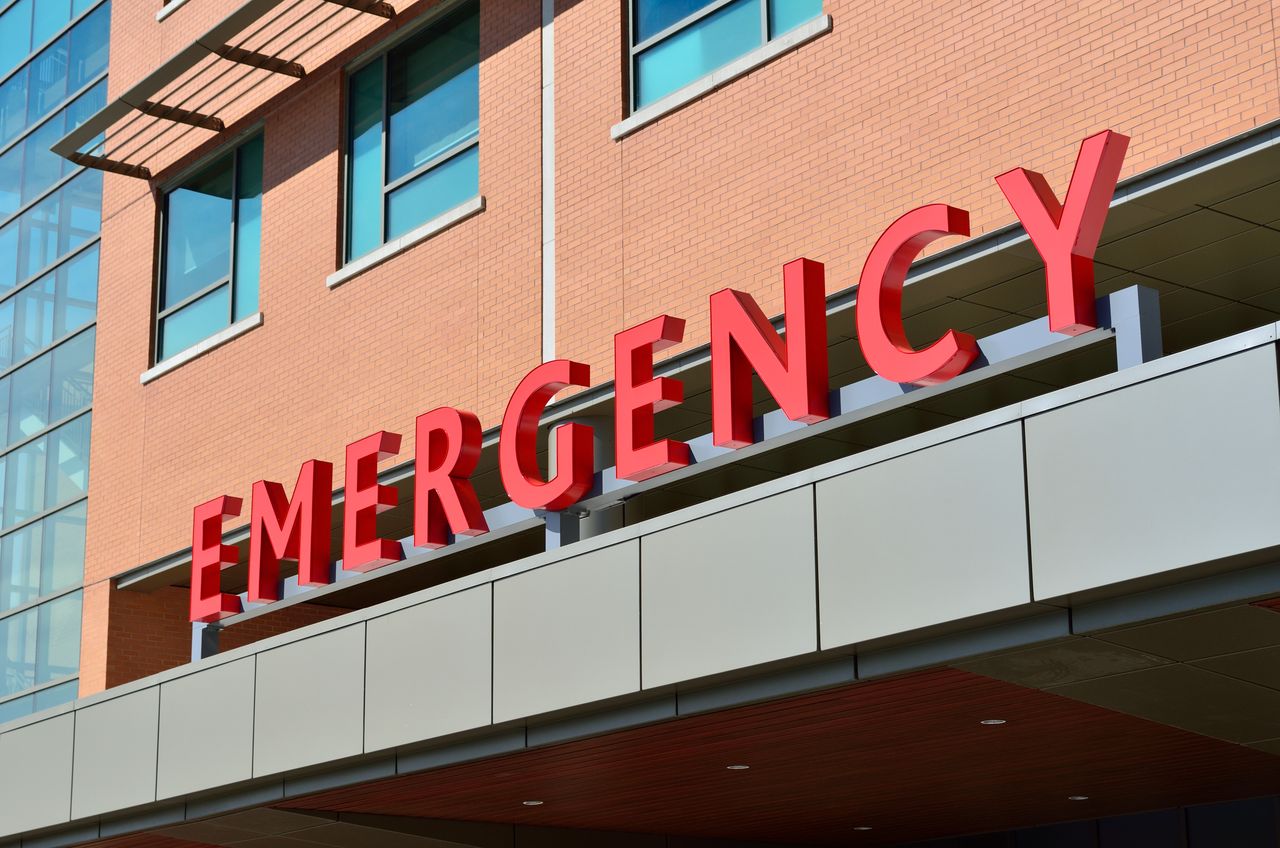
When a medical emergency happens, every minute counts. Knowing where to turn for help can make a significant difference in how quickly you or your loved one receives the right care. While Singapore is widely recognised for its efficient healthcare system, many people are still unsure about the differences between Emergency health services Singapore offers, when to visit an emergency department, and when a private ambulance Singapore service may be the most appropriate option.
Whether you’re responding to a sudden illness, arranging a hospital transfer for a family member, or planning medical support for an event or workplace, understanding the available healthcare services allows you to make informed decisions with confidence. This guide explains how Emergency medical services Singapore operate, the role of hospitals, urgent care clinics, and ambulance providers, and how professional medical transport contributes to safe, timely, and patient-centred care.
What Are Emergency Health Services Singapore?
Emergency health services Singapore refers to the network of healthcare providers and emergency responders that deliver immediate medical assistance to people experiencing serious illness, injury, or other urgent health conditions.
These services work together to ensure patients receive appropriate treatment based on the severity of their condition. Depending on the situation, this may include:
- Emergency ambulance response
- Hospital Accident & Emergency (A&E) departments
- 24 hour medical clinic Singapore services
- Emergency clinic Singapore facilities
- Urgent care Singapore providers
- Specialist medical transport teams
- Inter-hospital patient transfers
The primary goal is simple: provide the right level of medical care at the right time while ensuring patient safety throughout the process.
Not every medical situation requires the same response. Someone experiencing chest pain or severe trauma requires immediate emergency intervention, while a patient recovering after surgery may need medically supervised transport between healthcare facilities rather than emergency treatment.
Understanding these distinctions helps patients receive timely care while reducing unnecessary pressure on hospital emergency departments.
How Singapore’s Emergency Healthcare System Works
Singapore’s healthcare system is designed to provide different levels of care depending on the urgency of a patient’s condition. Rather than relying on one type of service for every medical issue, patients have access to several healthcare options.
For life-threatening emergencies, patients are assessed and stabilised before being transported to an appropriate hospital emergency department. These facilities are equipped to manage serious conditions such as heart attacks, strokes, severe injuries, respiratory emergencies, and major trauma.
For conditions that require prompt attention but are not immediately life-threatening, an Emergency doctor Singapore or 24 hour GP Singapore may be able to provide appropriate assessment and treatment.
Patients may also require Emergency medical transport Singapore for situations that do not involve an emergency response but still require professional medical supervision. Examples include:
- Transfers between hospitals
- Transport to specialist appointments
- Returning home after discharge
- Moving patients from nursing homes to healthcare facilities
- Transporting patients who require monitoring during travel
This layered approach ensures healthcare resources are used efficiently while matching each patient with the most appropriate level of care.
Types of Emergency Health Services Singapore
Understanding the different services available makes it easier to choose the right option when time matters.
Hospital Accident & Emergency Departments
Hospital emergency departments provide treatment for serious and potentially life-threatening medical conditions.
These departments are designed to manage situations such as:
- Severe chest pain
- Stroke symptoms
- Major accidents
- Serious bleeding
- Loss of consciousness
- Difficulty breathing
- Severe burns
- Major fractures
Patients arriving at hospital emergency departments are prioritised through a triage process, ensuring those with the most urgent conditions receive immediate attention.
24 Hour Medical Clinic Singapore Services
Not every health concern requires hospital emergency care.
Many 24 hour medical centre Singapore facilities provide treatment for illnesses and minor injuries outside normal clinic hours.
These clinics may be suitable for conditions such as:
- Fever
- Minor infections
- Mild asthma symptoms
- Minor cuts requiring stitches
- Ear infections
- Mild dehydration
- Allergic reactions that are not severe
Seeking treatment at an appropriate clinic can reduce waiting times and allow hospital emergency departments to focus on critically ill patients.
Urgent Care Singapore
Urgent care services bridge the gap between routine primary healthcare and hospital emergency departments.
Patients commonly visit urgent care providers for:
- Moderate injuries
- Persistent vomiting
- Minor fractures
- Moderate pain
- Wound management
- Sudden illnesses requiring same-day medical assessment
An urgent care provider can determine whether further specialist or hospital treatment is required.
Emergency Ambulance Singapore Services
Ambulance services are much more than transportation.
A professionally staffed ambulance functions as a mobile medical environment where trained personnel assess, monitor, and care for patients throughout the journey.
Depending on the patient’s condition, ambulance teams may provide:
- Continuous monitoring
- Oxygen therapy
- Cardiac monitoring
- Immobilisation
- Emergency medications (where appropriate)
- Airway management
- Safe patient handling
For many patients, receiving medical supervision during transport is just as important as reaching the destination quickly.
Private Ambulance Singapore Services
Private ambulance providers play an important role within Singapore’s healthcare ecosystem.
These services support patients who require professional medical transport but may not always need an emergency public ambulance response.
Common situations include:
- Planned hospital transfers
- Transport to rehabilitation centres
- Nursing home transfers
- Medical escort services
- Specialist appointments
- Hospital discharge transport
- Event medical standby
- Corporate medical support
Providers such as Swift Ambulance also support organisations requiring ambulance standby during public events, sporting competitions, industrial operations, and workplace activities where immediate medical assistance may be necessary.
Choosing the Right Emergency Healthcare Service
| Situation | Recommended Service | Why It Is Appropriate |
|---|---|---|
| Severe chest pain | Emergency hospital Singapore | Immediate specialist treatment |
| Stroke symptoms | Emergency ambulance Singapore and hospital emergency department | Rapid assessment and intervention |
| High fever with mild symptoms | 24 hour medical clinic Singapore | Prompt treatment without visiting the emergency department |
| Minor injury after office hours | Emergency clinic Singapore | Same-day assessment |
| Planned hospital transfer | Private ambulance Singapore | Safe, medically supervised transport |
| Patient requiring oxygen during transport | Emergency medical transport Singapore | Continuous monitoring throughout the journey |
| Large public event | Ambulance standby service | Immediate on-site medical response if required |
The most suitable service depends on the patient’s condition, mobility, and medical needs. Choosing appropriately helps ensure patients receive timely care while healthcare resources remain available for those facing life-threatening emergencies.
Public vs Private Ambulance Singapore Services
One of the most common questions people ask is whether they should use a public or private ambulance service.
The answer depends on the patient’s circumstances.
Public emergency ambulance services are intended primarily for life-threatening emergencies where immediate medical intervention and rapid transport to a hospital are required. Private ambulance providers complement the healthcare system by offering medically supervised transport for a broader range of situations, including both urgent and planned transfers.
Private ambulance services may be particularly suitable when:
- A patient requires continuous medical observation during transport.
- A hospital transfer has been arranged.
- An elderly or mobility-impaired patient cannot travel safely by private vehicle.
- A healthcare facility requests medically supervised transportation.
- An event organiser needs on-site ambulance coverage.
- A workplace requires emergency medical standby during high-risk activities.
Beyond transportation, professional ambulance teams prioritise patient comfort, safety, and continuity of care. Vehicles are equipped to accommodate patients with varying medical needs, while trained personnel monitor their condition throughout the journey and coordinate with receiving healthcare providers when necessary.
For families and caregivers, this provides reassurance that their loved one is travelling under appropriate medical supervision rather than relying on conventional transport that may not be equipped to respond if a patient’s condition changes unexpectedly.
When Should You Call an Emergency Ambulance Singapore Service?
Knowing when to seek emergency medical assistance can help ensure patients receive timely treatment while making the best use of Singapore’s healthcare resources.
You should seek immediate emergency care if someone experiences symptoms such as:
- Severe chest pain or pressure
- Sudden difficulty breathing
- Signs of a stroke, including facial drooping, arm weakness, or slurred speech
- Loss of consciousness
- Severe bleeding that cannot be controlled
- Serious head injuries
- Major burns
- Seizures lasting longer than a few minutes
- Severe allergic reactions affecting breathing
- Significant injuries following a road traffic accident or fall from height
In these situations, professional medical assessment and rapid transport are essential. Ambulance personnel can begin patient care during the journey, helping to stabilise the patient before arrival at the hospital.
However, not every situation requires a hospital emergency response. Some patients need medical supervision during transport rather than emergency treatment. Examples include elderly individuals with complex medical conditions, patients recovering from surgery, or those transferring between healthcare facilities.
Understanding the difference helps ensure every patient receives care that matches their medical needs.
The Role of Emergency Medical Transport Singapore
Medical transport involves much more than moving a patient from one location to another. For many individuals, the journey itself requires clinical oversight to reduce risks and maintain continuity of care.
Professional Emergency medical transport Singapore services support patients who may require:
- Continuous observation
- Oxygen support
- Mobility assistance
- Safe lifting and transfer
- Monitoring of vital signs
- Comfortable positioning during transport
- Coordination with hospitals or care facilities
Common situations include:
Hospital-to-Hospital Transfers
A patient may need specialised treatment available at another hospital. Professional ambulance transport ensures they remain under appropriate medical supervision throughout the journey.
Hospital Discharge
Patients recovering from surgery or illness may not be able to travel safely in a standard vehicle. A medically equipped ambulance provides a safer alternative, particularly for individuals with limited mobility or ongoing medical needs.
Nursing Home and Residential Care Transfers
Residents moving between care facilities, hospitals, or specialist appointments often benefit from trained medical personnel who can assist with both patient handling and monitoring.
Specialist Medical Appointments
Patients requiring stretchers, wheelchairs, or clinical monitoring can travel comfortably while reducing unnecessary stress for caregivers.
Rather than viewing ambulance services solely as emergency responders, it is helpful to recognise their broader role in supporting safe patient movement across Singapore’s healthcare system.
Emergency Healthcare Singapore for Elderly and Mobility-Impaired Patients
Singapore’s ageing population has increased the demand for healthcare services that address the unique needs of older adults and individuals with mobility limitations.
For these patients, travelling by private car or taxi may not always be appropriate. Challenges such as reduced mobility, chronic medical conditions, oxygen dependency, or recent surgery can make medically supervised transport the safer choice.
Professional ambulance providers can assist with:
- Wheelchair and stretcher transport
- Safe patient lifting techniques
- Monitoring during travel
- Oxygen administration where required
- Comfortable transfers between healthcare facilities
- Support for patients with cognitive or physical impairments
Families often gain peace of mind knowing their loved ones are accompanied by trained healthcare professionals who can respond if a patient’s condition changes during transport.
This level of care is particularly valuable for patients attending regular treatments, rehabilitation sessions, or specialist consultations.
Event and Workplace Medical Support
Emergency healthcare extends beyond hospitals and residential settings. Large gatherings, sporting events, construction projects, industrial sites, and corporate activities all benefit from proactive medical planning.
Having qualified medical personnel and ambulance support available on-site can improve response times should an incident occur and help organisers meet their duty of care.
Situations where medical standby services are commonly arranged include:
- Community events
- Sporting competitions
- Concerts and festivals
- Corporate functions
- Construction projects
- Manufacturing facilities
- Marine and offshore operations
- Educational institutions
Providers such as Swift Ambulance offer ambulance standby services staffed by trained medical professionals who are prepared to assess, stabilise, and transport patients if necessary. This level of preparedness supports safer environments for participants, employees, and visitors while helping organisations plan responsibly.
How to Prepare for a Medical Emergency
Although emergencies are often unpredictable, a few practical steps can help families respond more effectively.
Consider keeping the following information easily accessible:
- Identification documents
- Current medication list
- Known allergies
- Existing medical conditions
- Emergency contact numbers
- Healthcare insurance information
- Hospital or specialist details
- Advance care plans, if applicable
Caregivers supporting elderly family members may also find it useful to maintain an updated medical summary that can be shared quickly with healthcare professionals during an emergency.
If transport is required, ensure clear access to the patient whenever possible and follow instructions provided by medical personnel.
Preparation cannot prevent emergencies, but it can reduce delays and support more coordinated care.
Why Professional Medical Transport Matters
Medical transport should never be viewed as simply travelling from one place to another. For many patients, the journey is an extension of their healthcare.
Professional ambulance teams are trained to:
- Assess changing patient conditions
- Maintain patient comfort and dignity
- Communicate with receiving healthcare providers
- Operate specialised medical equipment
- Support safe patient handling
- Reduce transport-related risks
Whether responding to an urgent medical situation or arranging a planned hospital transfer, medically supervised transport helps ensure patients continue receiving appropriate care throughout the journey.
This integrated approach is particularly important for individuals with complex medical conditions, limited mobility, or ongoing treatment requirements.
Choosing the Right Emergency Healthcare Provider
Every medical situation is different. The right healthcare provider depends on the urgency of the condition, the patient’s medical history, and the level of support required.
As a general guide:
- Visit a 24 hour medical clinic Singapore for minor illnesses and injuries that require prompt attention but are not life-threatening.
- Attend an Emergency hospital Singapore department for serious conditions that need immediate specialist care.
- Arrange Private ambulance Singapore services when medically supervised transport is needed for hospital transfers, discharges, specialist appointments, or patients who cannot travel safely by conventional means.
- Consider ambulance standby services for events and workplaces where rapid medical assistance may be required.
Making informed decisions helps patients receive appropriate care while supporting the efficient use of healthcare resources across Singapore.
Conclusion
Singapore offers a comprehensive network of Emergency health services Singapore residents and visitors can rely on, from hospital emergency departments and urgent care clinics to medically supervised transport and specialised ambulance services.
Understanding the role of each service allows patients, caregivers, businesses, and event organisers to respond confidently when medical needs arise.
While hospitals remain the destination for life-threatening emergencies, professional ambulance providers also play an essential role by supporting safe patient transfers, planned medical transport, event medical coverage, and workplace healthcare preparedness.
For individuals and organisations seeking reliable medical transport solutions, Swift Ambulance provides professionally managed ambulance services designed to prioritise patient safety, clinical care, and dependable support across Singapore. Whether arranging a scheduled transfer, organising medical standby for an event, or assisting a patient with specialised transport requirements, working with an experienced provider helps ensure continuity of care from departure to arrival.
Frequently Asked Questions
What are Emergency health services Singapore?
Emergency health services Singapore include hospital emergency departments, ambulance services, urgent care providers, 24-hour medical clinics, and medically supervised patient transport that deliver urgent healthcare based on the severity of a patient’s condition.
When should I use an Emergency ambulance Singapore service?
An ambulance should be used when a patient requires immediate medical attention or medically supervised transport due to illness, injury, reduced mobility, or ongoing clinical needs during travel.
What is the difference between Emergency medical services Singapore and private ambulance services?
Emergency medical services respond to urgent medical situations requiring immediate care. Private ambulance Singapore providers also support planned hospital transfers, patient discharges, medical escorts, event standby services, and non-emergency medical transport while maintaining professional clinical oversight.
Can a Private ambulance Singapore transfer patients between hospitals?
Yes. Private ambulance providers regularly perform inter-hospital transfers, ensuring patients travel safely with appropriate medical supervision and equipment when required.
Are 24 hour medical clinic Singapore services suitable for every emergency?
No. While 24 hour healthcare Singapore providers can treat many illnesses and minor injuries, life-threatening conditions such as chest pain, stroke symptoms, severe trauma, or major breathing difficulties require immediate emergency hospital care.
Do ambulance services support corporate events and workplaces?
Yes. Professional ambulance providers often deliver medical standby services for construction sites, sporting events, concerts, industrial operations, and corporate functions, helping organisations prepare for medical incidents while protecting participants and employees.
Final Call to Action
Medical emergencies and patient transport decisions often need to be made quickly, but choosing the right service doesn’t have to be complicated. By understanding the different healthcare options available, you can ensure that patients receive appropriate care when it matters most.
If you need professional ambulance support in Singapore whether for emergency medical transport, non-emergency patient transfers, event medical coverage, or workplace ambulance standby, Swift Ambulance offers experienced medical teams, well-equipped vehicles, and patient-focused care designed to support safe and reliable healthcare transportation across every stage of the journey.


