 Skip to content
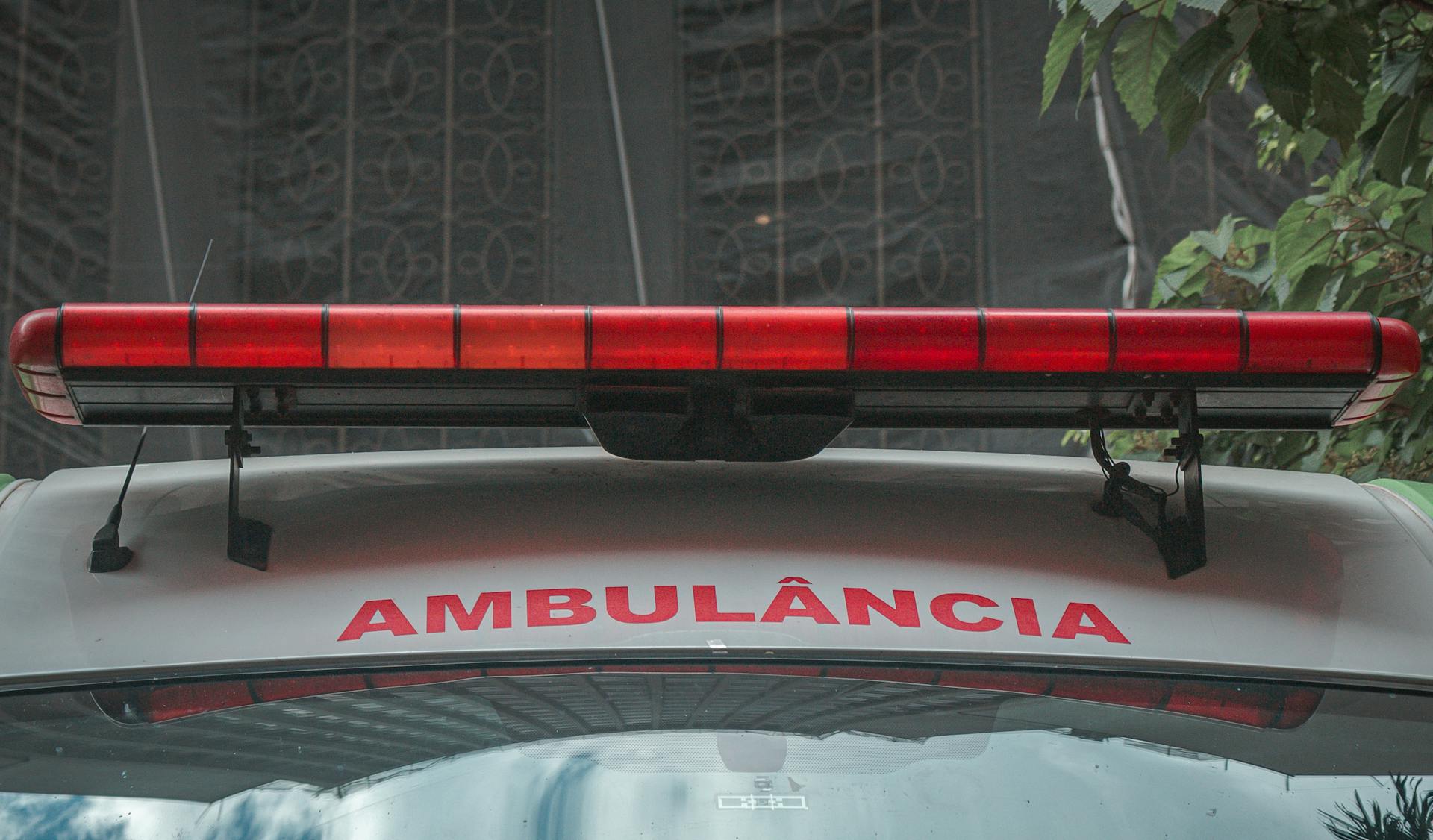
When a crisis strikes, seconds matter. Whether it’s a road accident along the PIE, a cardiac emergency at home, or a fire in a high-rise HDB flat, knowing the correct emergency numbers can literally save lives. Yet many people hesitate or dial the wrong service during critical moments.
This comprehensive guide explains everything you need to know about emergency numbers in Singapore, what they are, when to use them, how they work, and why they are crucial for public safety. You’ll also learn practical, real-world scenarios and expert guidance to help you respond confidently during emergencies.
What Are Emergency Numbers?
Emergency numbers are dedicated telephone numbers that connect callers directly to critical response services such as ambulance, police, and fire rescue. These numbers are designed to bypass normal routing systems so help can be dispatched immediately. In Singapore, emergency response systems are highly structured, technologically integrated, and centrally coordinated. Calls are monitored and dispatched through advanced command centres operated by agencies such as the Singapore Civil Defence Force (SCDF) and the Singapore Police Force (SPF). Unlike general customer service lines, emergency numbers are strictly reserved for urgent and life-threatening situations.
Why Emergency Numbers Matter in Singapore
Singapore has one of the most efficient emergency response systems in the world. According to SCDF performance benchmarks, ambulance response times for life-threatening cases typically average under 11 minutes. However, misuse of emergency numbers can delay response for those in real danger. Every non-urgent call affects system efficiency.
Real-World Example
Consider a cardiac arrest case. Survival rates drop by 7–10% per minute without CPR or defibrillation. Immediate activation of 995 allows paramedics to deploy with AED equipment while guiding callers through chest compressions over the phone.
That first call can be the difference between life and death.
Primary Emergency Numbers in Singapore
Singapore maintains clear and streamlined emergency numbers for different crisis types:
995 – Ambulance and Fire Emergency
Operated by the SCDF, 995 is for:
- Cardiac arrest
- Severe breathing difficulty
- Major trauma
- Unconsciousness
- Fires and hazardous material incidents
This number should only be used for life-threatening emergencies.
999 – Police Emergency
Operated by SPF, 999 is for:
- Crimes in progress
- Immediate threats to life or property
- Violent incidents
- Suspicious activities requiring urgent intervention
Both 995 and 999 operate 24/7 and are free to call.
When to Call 995 vs 1777
One of the most common misunderstandings involves ambulance services.
995 (Emergency Ambulance)
Call when:
- The patient is unconscious
- There is severe bleeding
- There are symptoms of stroke or heart attack
- There is difficulty breathing
1777 (Non-Emergency Ambulance)
1777 is a non-emergency ambulance service for stable patients who require medical transport but are not in critical condition.
Examples:
- Hospital discharge transfers
- Scheduled medical appointments
- Mobility-related transport needs
Calling 995 for non-urgent cases strains national emergency capacity. Responsible usage ensures faster help for critical patients.
Police Emergency Support
The Singapore Police Force maintains rapid-response units across the island.
Dial 999 if:
- You witness an assault
- A robbery is happening
- Someone’s life is at immediate risk
- There is a dangerous public disturbance
For non-urgent police matters, citizens may use the SPF hotline (1800-255-0000) instead of emergency lines.
Other Important Emergency Contacts in Singapore
Beyond the core emergency numbers, several specialized services exist:
- 995 (Fire & Ambulance – SCDF)
- 999 (Police – SPF)
- 1777 (Non-Emergency Ambulance)
- 1800-221-4444 (National Anti-Scam Hotline)
- 6389 2222 (National Environment Agency – animal-related issues)
Understanding these distinctions prevents system overload.
How Emergency Call Systems Work
Modern emergency numbers are powered by advanced dispatch systems that include:
1. Computer-Aided Dispatch (CAD)
Automatically logs call details and identifies caller location.
2. GPS & Mobile Triangulation
Even if you don’t know your exact address, dispatchers can estimate your location.
3. Priority Categorisation
Calls are assessed within seconds and classified as:
- Life-threatening
- Urgent but stable
- Non-urgent
4. Integrated Digital Communication
Ambulances, fire engines, and patrol units receive real-time updates via encrypted digital systems. Singapore is also expanding digital-first solutions such as emergency SMS for hearing-impaired individuals and app-based distress alerts.
Common Mistakes People Make When Using Emergency Numbers
Although public awareness is high, mistakes still happen.
Common issues include:
- Calling 995 for mild fever
- Hanging up without speaking
- Not knowing the exact location
- Panicking and providing unclear information
- Allowing children to dial emergency numbers accidentally
If you accidentally dial 995 or 999, do not hang up. Inform the operator it was a mistake to prevent unnecessary dispatch.
Practical Steps During an Emergency Call
When dialing emergency numbers, stay calm and follow this structure:
- State the emergency clearly.
- Provide your exact location (block number, unit number, landmarks).
- Describe the condition of the victim.
- Follow dispatcher instructions.
Operators are trained to guide CPR, bleeding control, and choking response in real time.
Current Trends in Emergency Response
Singapore is continuously modernising its emergency response ecosystem.
Smart Ambulances
Equipped with telemedicine systems that transmit patient vitals directly to hospital emergency departments.
Community First Responder Programmes
The SCDF’s myResponder app alerts trained volunteers nearby to assist before ambulances arrive.
AI-Assisted Dispatch
Artificial intelligence is being integrated into dispatch centres to prioritise calls more efficiently.
Data-Driven Response Optimisation
Predictive analytics help position ambulances strategically during peak hours.
These innovations ensure emergency numbers remain efficient even as population density increases.
Why Responsible Usage Protects Everyone
Misusing emergency numbers can lead to:
- Delayed ambulance response
- Resource diversion
- Increased operational costs
- Potential legal consequences
Singapore law allows penalties for knowingly making false emergency calls. Being informed is not just responsible. it protects the entire community.
Frequently Asked Questions (FAQ)
What is the main ambulance emergency number in Singapore?
The primary ambulance emergency number is 995, operated by SCDF.
Is 999 only for major crimes?
Yes. 999 should only be used for crimes requiring immediate police intervention.
Can tourists call Singapore emergency numbers?
Yes. Emergency numbers are accessible to locals and visitors alike.
Are emergency calls free?
Yes. Calls to 995 and 999 are free from mobile and landline phones.
What if I don’t speak English well?
Operators are trained to handle multilingual situations common in Singapore.
The Role of Private Ambulance Services
While 995 handles life-threatening emergencies, private ambulance providers like Swift Ambulance support:
- Event medical standby
- Non-emergency transfers
- Corporate medical coverage
- Cross-border medical transport
Choosing the correct service ensures optimal use of national emergency infrastructure.
Conclusion: Know the Right Emergency Numbers, Save Lives
Understanding emergency numbers is not optional, It is essential knowledge for every resident and visitor in Singapore.
Key takeaways:
- 995 is for life-threatening medical or fire emergencies.
- 999 is for urgent police intervention.
- 1777 is for non-emergency ambulance transport.
- Provide clear, calm information during every call.
- Misuse can delay help for someone in real danger.
Singapore’s emergency response system is world-class, but it depends on public responsibility. Save these numbers in your phone. Share them with your family. Educate your children. Preparedness today can mean survival tomorrow. For more insights on ambulance services, medical transport solutions, and emergency preparedness, explore additional resources at Swift Ambulance.


