 Skip to content
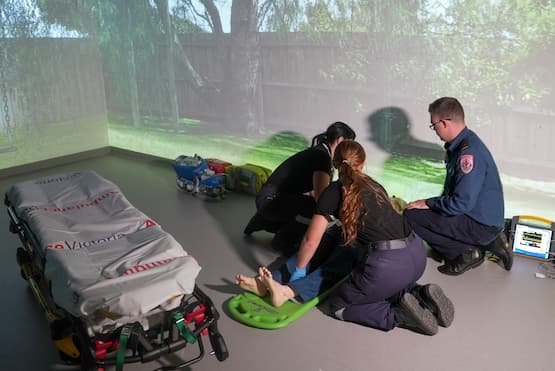
In high-risk moments, preparation separates controlled response from chaos. Emergency response training is no longer optional for Australian businesses. It is a strategic safety investment that protects lives, ensures regulatory compliance, and strengthens organisational resilience. Across Sydney’s healthcare facilities, construction sites, schools, aged-care homes, and corporate offices, emergencies can unfold without warning. Cardiac arrest, fires, hazardous material exposure, workplace injuries, or natural disasters demand structured, confident action. Without proper emergency response training, even minor incidents can escalate rapidly. For organisations committed to safety excellence, emergency preparedness must be systematic, data-driven, and regularly updated. This guide explains what emergency response training involves, why it matters in the Australian context, and how it builds safer, future-ready workplaces.
What Is Emergency Response Training?
Emergency response training refers to structured education and hands-on practical exercises designed to prepare individuals and organisations to respond effectively during medical, environmental, or operational crises.
It equips participants with:
- Risk recognition skills
- Incident command understanding
- Life-saving medical intervention techniques
- Communication and coordination strategies
- Evacuation and containment procedures
In Australia, workplace emergency preparedness aligns closely with guidance from organisations such as Safe Work Australia and the regulatory framework under the Work Health and Safety (WHS) Act. Unlike basic first aid courses, comprehensive emergency response training integrates scenario simulations, compliance alignment, and industry-specific hazard planning. It transforms passive knowledge into decisive action capability.
Why Emergency Response Training Matters in Australian Workplaces
Australia’s work environments present diverse risks from heat stress in construction zones to chemical exposure in manufacturing plants and medical emergencies in aged-care facilities. According to data published by Safe Work Australia, thousands of serious workplace injuries are reported annually. While not every incident is preventable, many severe outcomes are mitigated through immediate, well-trained intervention.
In Sydney specifically:
- Urban density increases response complexity.
- Traffic congestion can delay external emergency services.
- Multi-storey commercial buildings require structured evacuation planning.
- Coastal regions face storm-related and flood risks.
When employees undergo structured emergency response training, response times shorten, panic reduces, and outcomes significantly improve. Prepared teams do not improvise they execute.
Core Components of Effective Emergency Response Training
High-quality programs are not generic. They are layered, contextual, and aligned with risk exposure.
1. Risk Assessment & Hazard Identification
Training begins with identifying credible threats. For a Sydney warehouse, this may include fire hazards and machinery injuries. For a medical clinic, it may involve cardiac emergencies or infection control incidents.
Participants learn to:
- Conduct workplace hazard assessments
- Map evacuation routes
- Identify critical control points
- Understand emergency escalation pathways
2. Medical Emergency Skills
Medical response capability often forms the foundation of emergency response training.
This includes:
- CPR certification
- AED usage
- Bleeding control
- Fracture stabilisation
- Management of shock
- Basic trauma response
These skills align with standards set by Australian Resuscitation Council, ensuring evidence-based practice.
3. Fire and Evacuation Procedures
Fire response training includes:
- Fire extinguisher classification knowledge
- Safe evacuation protocols
- Assembly area management
- Smoke hazard awareness
For multi-level buildings in Sydney CBD, evacuation modelling and drills are critical.
4. Communication & Incident Command
Emergency situations demand clarity. Structured communication protocols such as incident command systems (ICS) are increasingly integrated into advanced emergency response training programs.
Participants learn:
- Clear chain-of-command structures
- Emergency notification procedures
- Coordination with paramedics and first responders
- Post-incident reporting processes
Types of Emergency Response Training Programs
Different industries require specialised approaches. Below are the most relevant categories used across Australian sectors.
Workplace First Aid & CPR Training
This foundational program focuses on life-saving response before paramedics arrive. It includes nationally recognised units and refresher cycles every 12 months for CPR.
Industries prioritising this training include:
- Corporate offices
- Retail environments
- Educational institutions
- Aged-care facilities
Fire Safety & Evacuation Training
Fire safety modules prepare staff to respond immediately to alarms, manage safe exits, and reduce property damage.
High-rise commercial properties in Sydney often require designated fire wardens trained in evacuation leadership.
Advanced Medical Response & Ambulance Support
For higher-risk environments such as industrial sites, construction zones, or event management operations, advanced trauma response training may be required.
These programs simulate:
- Multi-casualty incidents
- Severe bleeding scenarios
- Crush injuries
- Cardiac arrest in remote environments
Such preparation complements services provided by professional ambulance providers operating in Sydney.
Compliance and Australian Safety Standards
Under the WHS Act, employers have a duty of care to ensure health and safety “so far as reasonably practicable.”
Emergency response training supports compliance by:
- Meeting first aid provision requirements
- Demonstrating documented emergency planning
- Reducing liability exposure
- Satisfying insurance obligations
Audits frequently examine:
- Staff certification records
- Drill frequency
- Emergency plan accessibility
- Incident documentation systems
Failure to comply can lead to financial penalties and reputational damage.
Real-World Applications in Sydney
Consider a large logistics facility in Western Sydney. A forklift accident results in severe bleeding. A trained employee applies pressure control techniques immediately while another activates emergency services. By the time paramedics arrive, blood loss is stabilised dramatically improving survival probability. In another case, an aged-care centre experiences a cardiac emergency. Staff trained in AED use deliver defibrillation within minutes, well before ambulance arrival. These are not theoretical scenarios. They are practical outcomes of structured emergency response training.
Key Benefits of Emergency Preparedness
Organisations that invest in professional emergency response training gain measurable advantages.
- Faster response times
- Reduced injury severity
- Lower compensation claims
- Increased employee confidence
- Stronger compliance standing
- Improved crisis leadership capability
Beyond risk reduction, preparedness enhances organisational culture. Employees feel protected and valued.
Current Trends in Emergency Response Training
Emergency preparedness is evolving rapidly.
Scenario-Based Simulation
Traditional lecture-based training is being replaced by immersive simulation environments. Realistic drills improve muscle memory and cognitive response under stress.
Digital Learning Integration
Blended models combine online theory modules with practical assessment. This improves flexibility for Sydney-based teams managing shift work.
Data-Driven Risk Modelling
Advanced organisations now use risk analytics to customise emergency response training frequency and depth.
Mental Health First Response
Psychological safety is increasingly integrated into emergency planning. Crisis response now includes mental health awareness and trauma-informed care.
Frequently Asked Questions
How often should emergency response training be refreshed?
CPR should typically be refreshed annually. Comprehensive emergency programs should be reviewed at least every 12–24 months or after any major incident.
Is emergency response training mandatory in Australia?
While specific training types vary by industry, employers must provide adequate emergency preparedness under WHS legislation.
Who should undergo emergency training?
All employees should receive baseline awareness training. Designated wardens and first aid officers require advanced certification.
Can training be customised for Sydney businesses?
Yes. High-quality providers tailor programs to specific site risks, regulatory requirements, and operational workflows.
Future Outlook: Building Resilient Organisations
Climate volatility, urban density, and evolving workplace models mean emergency preparedness must stay proactive.
Forward-thinking Sydney organisations are embedding emergency response training into broader resilience strategies. This includes:
- Cross-functional crisis teams
- Technology-enabled alert systems
- Partnerships with ambulance providers
- Regular live drills
Preparedness is no longer reactive it is strategic risk management.
Conclusion
Emergency response training is not just a compliance requirement. It is a life-saving, culture-shaping, risk-reducing investment that strengthens organisations from the inside out. For Sydney businesses, the stakes are clear. Fast, confident, structured response capability protects people, reduces liability, and builds operational resilience. By implementing structured, scenario-based, standards-aligned emergency response training, organisations ensure that when critical moments arise, their teams respond with clarity not confusion. If your organisation is ready to elevate safety standards and build true emergency preparedness, explore professional training solutions designed for Australian workplaces and aligned with best-practice medical and safety frameworks.


