 Skip to content
Introduction
When a medical emergency happens, every second becomes critical. In high-density urban environments like Singapore, the difference between life and loss often depends on the efficiency of a rapid response system. From cardiac arrests and stroke cases to road accidents and workplace injuries, fast medical intervention dramatically improves survival rates and long-term recovery.
Modern ambulance providers such as Swift Ambulance are redefining emergency care by integrating advanced dispatch technology, highly trained paramedics, and real-time patient monitoring. This is no longer just about transportation, it is a mobile extension of the hospital.
This article explains how rapid emergency response works, why it matters, what powers it behind the scenes, and how it continues to evolve to meet the expectations of a smart city.
What Is Rapid Response in Emergency Medical Services?
In today’s healthcare ecosystem, rapid response refers to a coordinated medical system designed to reach patients in the shortest possible time and begin immediate treatment at the scene.
It is not limited to speed alone. It combines:
- Intelligent dispatch systems
- Strategically positioned ambulances
- Advanced life support equipment
- Highly trained emergency medical teams
- Real-time hospital communication
This integrated approach ensures patients receive clinical-grade care before they even reach the emergency department.
For time-sensitive conditions such as cardiac arrest, severe trauma, respiratory failure, and stroke, early intervention significantly increases survival and reduces complications.
Why Speed in Emergency Response Matters More Than Ever
Singapore’s urban density, vertical living environments, and high mobility patterns require a highly optimized emergency medical framework.
Clinical data consistently shows:
- Early CPR and defibrillation within minutes can double or triple survival rates in cardiac arrest
- Stroke patients treated within the “golden hour” experience far better neurological recovery
- Trauma patients receiving pre-hospital stabilization have lower mortality rates
A modern rapid medical response system ensures:
- Immediate clinical assessment
- Faster pain management
- Early airway and breathing support
- Real-time vital monitoring
This transforms ambulances into mobile critical-care units rather than simple transport vehicles.
Core Components Behind an Effective Emergency Response System
Smart Dispatch and Real-Time Tracking
Emergency coordination centres now use GPS-enabled fleet monitoring and AI-assisted dispatch to send the nearest available ambulance.
This reduces:
- Response time
- Traffic delays
- Location errors
It also allows hospitals to prepare in advance for incoming patients.
Advanced Life Support on the Move
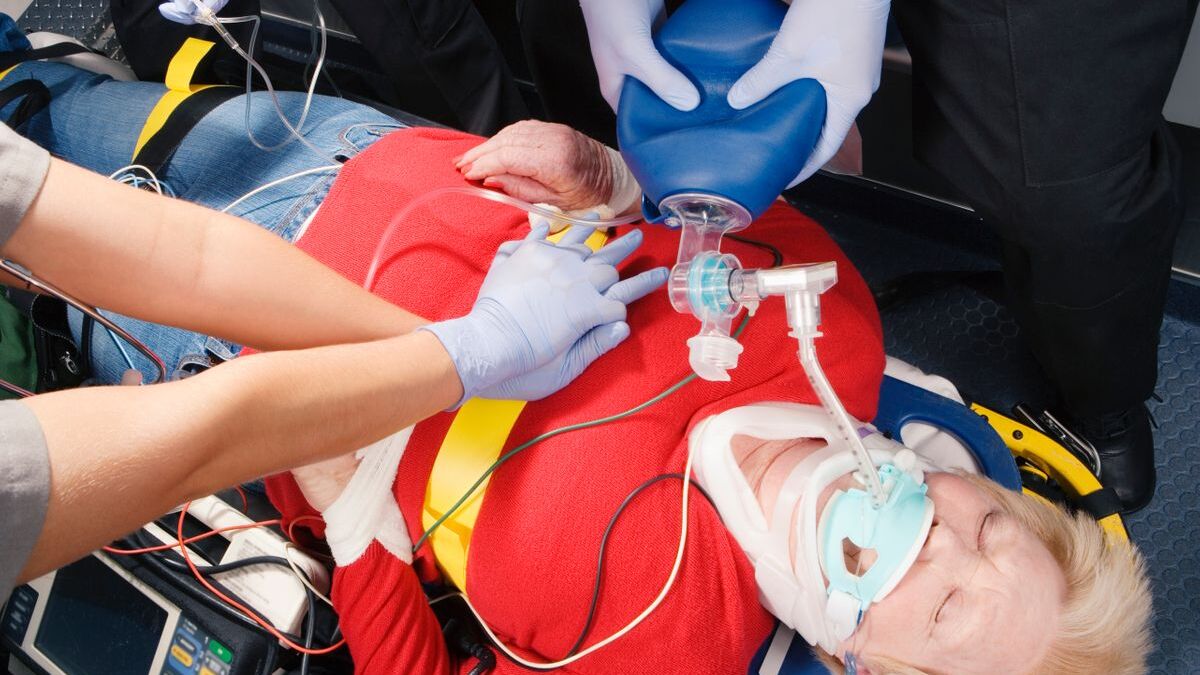
Today’s emergency ambulances are equipped with:
- Cardiac monitors and defibrillators
- Portable ventilators
- Infusion pumps
- Emergency medications
- Telemedicine connectivity
This enables paramedics to begin life-saving treatment immediately.
Highly Skilled Paramedic Teams
Rapid care depends on clinical expertise. Modern paramedics are trained in:
- Advanced cardiac life support
- Trauma resuscitation
- Stroke recognition
- Airway management
Their decision-making in the first few minutes often determines patient outcomes.
Types of Rapid Medical Response Services
Emergency Ambulance Response
This is activated for life-threatening conditions such as:
- Chest pain and cardiac arrest
- Severe breathing difficulty
- Unconsciousness
- Major accidents
These units operate with the highest level of medical readiness.
Urgent Medical Transport
For patients who are stable but require fast medical transfer between facilities, urgent response ensures continuity of care without delays.
Event Medical Standby
Large-scale events require on-site emergency readiness. A rapid medical team can intervene instantly if a medical situation occurs.
Real-World Scenario: How Fast Response Changes Outcomes
Imagine a cardiac arrest in a residential complex.
Without a structured emergency system:
- Bystanders panic
- Care is delayed
- Hospital treatment starts too late
With a modern response system:
- The call is received and location identified instantly
- The nearest ambulance is dispatched
- Paramedics arrive within minutes
- CPR and defibrillation begin immediately
- Hospital is pre-alerted
This seamless chain of survival dramatically improves the chance of recovery.
The Role of Technology in Modern Ambulance Services
Technology is the backbone of fast emergency care.
Telemedicine Integration
Paramedics can transmit:
- ECG readings
- Vital signs
- Patient history
directly to hospital specialists in real time.
Doctors can guide treatment even before arrival.
AI-Powered Route Optimization
Navigation systems now analyse live traffic conditions to select the fastest route automatically.
Digital Patient Records
This ensures continuity of care and eliminates delays in treatment decisions.
Benefits of a High-Performance Emergency Response System
A well-designed system delivers measurable advantages:
- Faster medical intervention
- Higher survival rates
- Reduced complications
- Better patient comfort and safety
- Efficient hospital handovers
For families, it provides reassurance that professional care arrives when it is needed most.
Rapid Response in Non-Hospital Settings
Emergency care today extends beyond homes and roads.
It plays a vital role in:
- Corporate workplaces
- Industrial facilities
- Construction sites
- Sporting events
- Airports and transport hubs
Having a professional ambulance partner on standby ensures immediate care in high-risk environments.
Trends Shaping the Future of Emergency Medical Response
Connected Smart Ambulances
Vehicles will function as fully digitized mobile treatment rooms with continuous hospital connectivity.
Predictive Ambulance Deployment
Data analytics will position ambulances in high-demand zones before emergencies occur.
Community First-Responder Integration
Public access defibrillators and trained volunteers will become part of the emergency response ecosystem.
Sustainable Emergency Fleets
Electric ambulances are emerging as eco-friendly solutions for urban healthcare systems.
How Swift Ambulance Elevates Emergency Care Standards
Swift Ambulance aligns with Singapore’s expectations for precision, reliability, and clinical excellence by offering:
- Strategically located ambulance units
- Advanced medical equipment
- Experienced paramedic teams
- 24/7 operational readiness
- Seamless hospital coordination
This ensures patients receive fast, professional, and compassionate care in critical moments.
Frequently Asked Questions
How fast should an ambulance arrive in an emergency?
In urban environments, response time typically ranges between 8 to 15 minutes depending on traffic, location accessibility, and dispatch efficiency.
Is rapid response only for life-threatening situations?
No. It also applies to urgent medical transfers where delays could worsen a patient’s condition.
What happens during the first few minutes after paramedics arrive?
They assess vital signs, stabilize the patient, start necessary treatment, and prepare for safe transport while coordinating with the receiving hospital.
Are modern ambulances equipped like mini hospitals?
Advanced life support ambulances carry critical-care equipment that allows paramedics to begin hospital-level treatment immediately.
Conclusion
A high-functioning rapid response system is the foundation of modern emergency healthcare. It transforms ambulances into intelligent, mobile treatment units that deliver immediate clinical care, reduce mortality, and improve recovery outcomes.
For a fast-paced, high-density city like Singapore, speed alone is not enough. Precision, technology, and medical expertise must work together in real time.
Swift Ambulance represents this new era of emergency care — where every second is optimized, every action is clinically driven, and every patient receives expert attention from the moment help is activated.
If you are planning medical coverage for your organisation, need urgent patient transport, or want dependable emergency support, exploring professional ambulance solutions is the next step toward safer, smarter healthcare readiness.


